
English version follows at the end
Giorgio Rapanelli ha intervistato Enzo Mancini, un ricercatore e residente di San Claudio, Corridonia, nella provincia di Macerata, il quale dichiara che Aquisgrana, la città storicamente associata alla Germania e situata ad Aachen, sarebbe in realtà San Claudio.
Un aneddoto coinvolge uno zio di Enzo, originario di Pollenza e appartenente a una famiglia numerosa, che, a causa di difficoltà economiche, fu mandato a lavorare come apprendista a San Claudio. Intorno al 1938, quando aveva circa 11 anni, sentì dagli anziani del paese una leggenda riguardante un antico artefatto d’oro: una scrofa con sette maialini, paragonata alla chioccia con sette pulcini nel tesoro di Teodolinda a Monza. Secondo gli anziani, per trovare questo tesoro bisognava scavare a fondo vicino al portone principale della chiesa.
Un altra storia racconta anche di una misteriosa mummia scoperta sotto l’altare della chiesa durante i lavori di restauro. Si credeva fosse una donna per via dei suoi lunghi capelli, ma aveva anche una piccola spada e si pensava potesse essere Ottone III, sepolto lì secoli prima. Alcune testimonianze sostengono che la mummia fu esposta al pubblico per una settimana prima di essere nuovamente sepolta. Tuttavia, durante la Seconda Guerra Mondiale, si dice che le SS tedesche abbiano preso la mummia, forse in cambio della vita di alcuni parrocchiani.
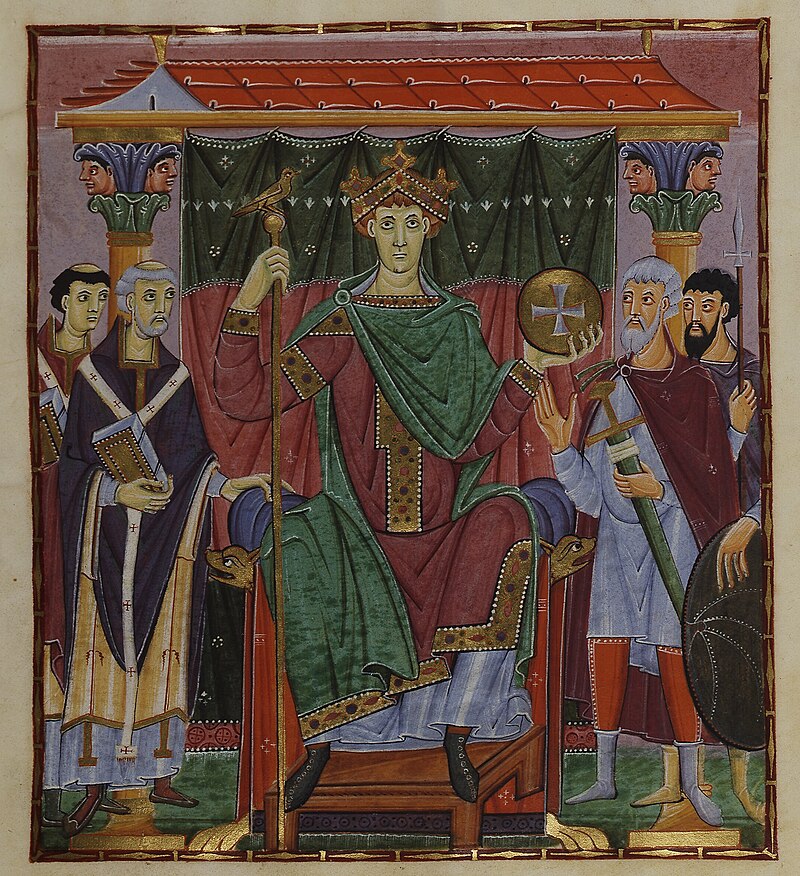
Otto III And The Lost Treasure (English Version)
Giorgio Rapanelli interviews Enzo Mancini, a researcher and resident of San Claudio, Corridonia, in the province of Macerata, which he suggests is the true Aquisgrana as opposed to the official location in Aachen, Germany.
An uncle of Enzo, originally from Pollenza and born into a large family, was sent to work as an apprentice in San Claudio due to economic difficulties. At around 11 years old, around 1938, he heard a legend from some elders about an ancient golden artifact: a sow with seven piglets, compared to the hen with seven chicks in the treasure of Theodelinda in Monza. The elders said that to find this treasure, one had to dig deeply beside the main gate of the church.
Additionally, the story tells of a mysterious mummy discovered under the church altar during restoration work. It was believed to be a woman because of her long hair, but it also had a small sword and was thought to be Otto III, buried there centuries earlier. According to some testimonies, this mummy was exposed to the public for a week before being reburied. However, during World War II, the German SS supposedly took the mummy, perhaps in exchange for the lives of some parishioners.








Rispondi