

English version follows at the end.
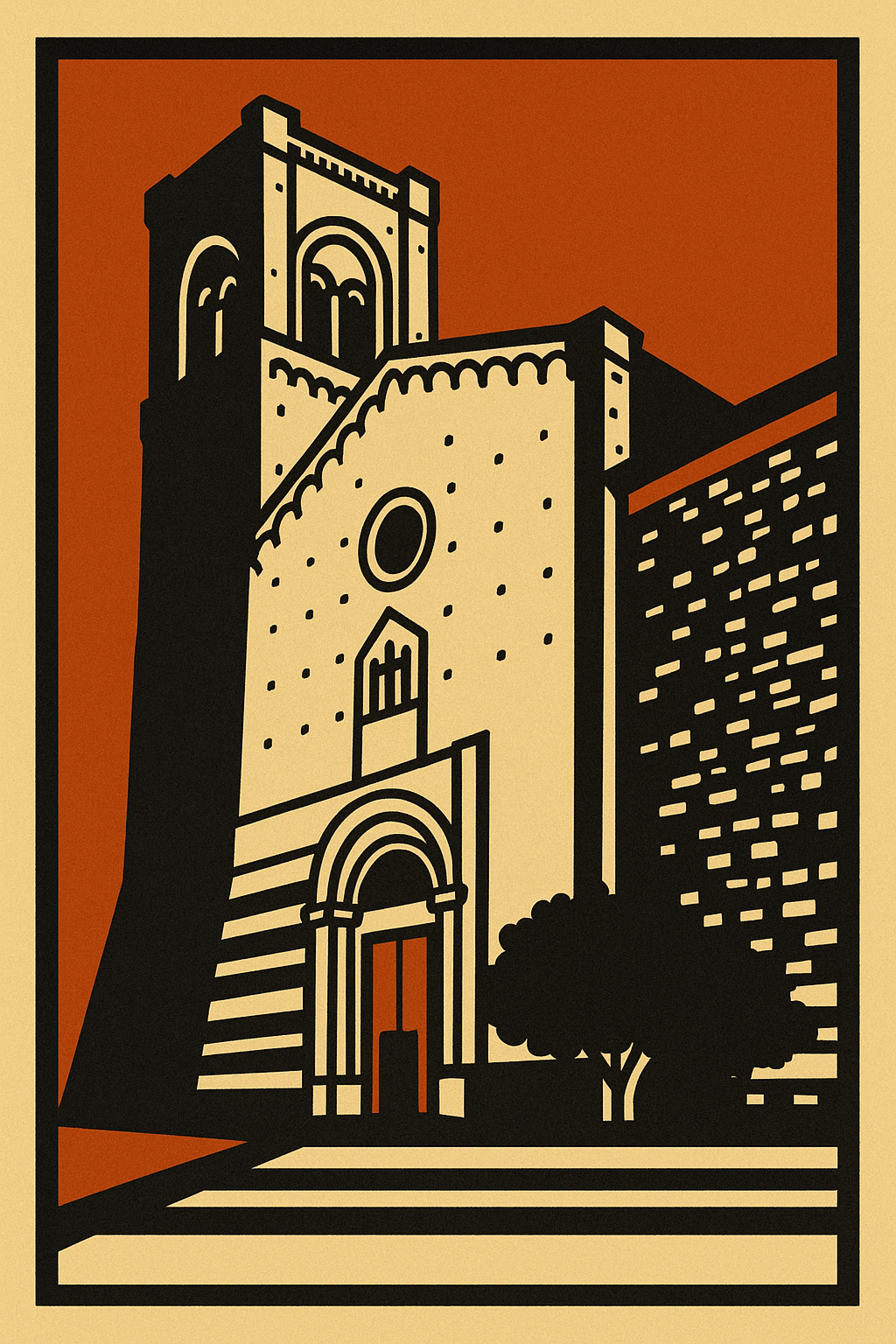
L’11 gennaio del 2020 il vescovo Gebhard Fürst della Diocesi di Rottenburg-Stoccarda (1,7 milioni di cattolici) e il suo vicario Clemens Stroppel si sono presentati all’apertura delle porte della chiesa di San Claudio al Chienti, indicata da più parti come la cappella palatina di Carlo Magno.
Gebhard Fürst ha un alto profilo teologico e pastorale, con lunga esperienza nella sua diocesi in Germania, tanto da essere stato nominato vescovo di Rottenburg-Stoccarda nel 2000 da papa Giovanni Paolo II. Il suo incarico è terminato con il pensionamento nel 2023, dopo ben 23 anni di servizio come vescovo nella diocesi più grande e importante della Germania.
Nella Conferenza Episcopale Tedesca fu inoltre membro per molti anni della commissione per i media, della commissione per la bioetica e della commissione per la dottrina della fede.
Insieme al suo vicario, sono due pezzi da novanta della Chiesa cattolica, e non si può certo dire che non conoscano la fede e le attività pastorali che il vescovo di Fermo, Rocco Pennacchio, ha tirato in ballo per cacciare il Centro Studi Giovanni Carnevale, creato da un gruppo di sostenitori della teoria che identifica San Claudio al Chienti come cappella palatina di Carlo Magno.
Chiunque può constatare che c’è qualcosa che non quadra. Due profondi conoscitori della vita ecclesiastica vengono dalla Germania per visitare quello che probabilmente credono anche loro essere la cappella palatina di Carlo Magno, e il vescovo locale di Fermo, che dovrebbe promuovere questa storia, la fa invece cancellare con la scusa dell’attività pastorale, materia di cui i due prelati tedeschi sono sicuramente più preparati di lui.
Fürst non era certo un vescovo poco impegnato, che aveva tempo da dedicare a teorie campate in aria o fake news. Avete sicuramente presente quanto è impegnato il vescovo di una piccola diocesi come quella di Fermo, amministrata dal vescovo Rocco Pennacchio. Figuriamoci allora un vescovo della più grande diocesi della Germania.
Come mai il vescovo e il vicario della più grande diocesi della Germania, dove Carlo Magno è una figura importante ed è venerato come santo, hanno intrapreso un viaggio così lungo fino a San Claudio al Chienti?
Abbiamo questi due fatti da mettere a confronto. Il vescovo di Rottenburg-Stoccarda, prima di venire a visitare San Claudio al Chienti, avrà sicuramente letto la storia ufficiale e poi le teorie che identificano San Claudio come cappella palatina di Carlo Magno, e nonostante tutto ha intrapreso questo viaggio così lungo.
Dall’altra parte abbiamo il vescovo di Fermo che, seppur nato a Matera in Basilicata viene assegnato alla diocesi di Fermo, cerca di sopprimere la teoria che identifica San Claudio al Chienti come cappella palatina di Carlo Magno, come hanno fatto i suoi predecessori, insabbiando tutto e nascondendo i reperti emersi negli scavi sotto la chiesa di San Claudio.
La motivazione addotta per espellere il Centro Studi Giovanni Carnevale dalla chiesa di San Claudio è risibile, visto che questi due big della fede cristiana sono venuti appositamente dalla Germania per visitarla.
È come se il vescovo di Loreto decidesse di far rimuovere la Santa Casa dalla basilica perché disturba l’attività pastorale della parrocchia, visto che molti curiosi, soprattutto in estate, vestiti indecentemente e privi di fede, vengono a disturbare le messe e le recite del santo rosario.
E visto che il Centro Studi Giovanni Carnevale è stato cacciato dal vescovo su proposta di una petizione lanciata da un’armata Brancaleone, cioè da persone che non hanno nulla in comune se non l’ostilità verso le Marche, aspettiamo allora che propongano una petizione anche per rimuovere la Santa Casa dalla basilica di Loreto.
Se andiamo ad Aachen, dove i tedeschi sostengono si trovi il vero palazzo di Carlo Magno, troviamo una chiesa dove vengono venduti depliant a un euro cadauno su Carlo Magno, cosa che in qualsiasi altro contesto verrebbero offerti gratuitamente. Dalla chiesa si accede a una cappella con oggetti che richiamano Carlo Magno, proprio come accadeva a San Claudio. Turisti e personale di controllo, che poco hanno a che fare con le attività pastorali, sono sempre presenti, e la chiesa è cattolica esattamente come quella di San Claudio. Nel mezzo della chiesa c’è una botola sotto un pavimento di vetro che mostra reperti antichi, che nulla hanno a che fare con le attività pastorali, ma ad Aachen va bene mentre la targa su Carlo Magno a San Claudio non andava bene disturbava le attività pastorali. Carlo Magno in quei di Aachen viene venerato come santo, anche se la Chiesa cattolica non lo riconosce ufficialmente come tale, in quanto fu proclamato santo da un antipapa. Eppure la Chiesa cattolica romana non interviene per far rimuovere tutti i riferimenti a Carlo Magno nella chiesa di Aachen a tutela delle attività pastorali della parrocchia locale, ben più numerosa di quella di San Claudio. Perché ad Aachen è concesso e nelle Marche no? Cosa nascondono le Marche? Di quale verità hanno paura?
Si possono vedere ancora su YouTube video di scolaresche e gruppi di anziani che andavano a visitare San Claudio, con il parroco visibilmente orgoglioso di accogliere tutta quella gente. Come può il vescovo avere una tale crudeltà da prendersela anche con bambini e anziani? Perché tanta cattiveria?
Sembra proprio che noi marchigiani non solo non possiamo alzare la testa, ma non possiamo nemmeno indagare liberamente e credere che una cosa sia vera o falsa. Le Marche sembrano una terra di scorrerie di intellettuali d’ogni sorta, dove noi marchigiani non possiamo scegliere la nostra strada, perché vescovi non marchigiani nominati da Roma, insieme a pochi che si ritengono intellettuali superiori agli altri, vengono a indicarci la strada e i miti in cui credere.
—
Bishop of Stuttgart (English Version)
On January 11, 2020, Bishop Gebhard Fürst of the Diocese of Rottenburg-Stuttgart (1.7 million Catholics) and his vicar Clemens Stroppel attended the opening of the doors of the Church of San Claudio al Chienti, identified by many as the palatine chapel of Charlemagne.
Gebhard Fürst has a high theological and pastoral profile, with long experience in his diocese in Germany, having been appointed Bishop of Rottenburg-Stuttgart in 2000 by Pope John Paul II. His term ended with his retirement in 2023, after 23 years of service as bishop in the largest and most important diocese in Germany.
In the German Bishops’ Conference, he was also a member for many years of the commission for media, the commission for bioethics, and the commission for the doctrine of the faith.
Together with his vicar, they are two heavyweights of the Catholic Church, and one certainly cannot say they are unfamiliar with the faith and pastoral activities that the Bishop of Fermo, Rocco Pennacchio, invoked as a pretext to expel the Giovanni Carnevale Study Center, created by a group of supporters of the theory identifying San Claudio al Chienti as Charlemagne’s palatine chapel.
Anyone can see that something does not add up. Two profound connoisseurs of ecclesiastical life travel from Germany to visit what they themselves probably believe to be Charlemagne’s palatine chapel, and the local Bishop of Fermo, who should be promoting this story, instead has it erased under the guise of pastoral activity — a subject in which the two German prelates are certainly more qualified than he is.
Fürst was certainly not a disengaged bishop with time to spare on far-fetched theories or fake news. You can surely imagine how busy the bishop of a small diocese like Fermo is, administered by Bishop Rocco Pennacchio. Imagine then the bishop of the largest diocese in Germany.
Why did the bishop and vicar of the largest diocese in Germany — where Charlemagne is an important figure and is venerated as a saint — undertake such a long journey to San Claudio al Chienti?
We have these two facts to compare. The Bishop of Rottenburg-Stuttgart, before coming to visit San Claudio al Chienti, will certainly have read the official history and then the theories identifying San Claudio as Charlemagne’s palatine chapel, and despite everything, he undertook this very long journey.
On the other hand, we have the Bishop of Fermo who, although born in Matera in Basilicata and assigned to the Diocese of Fermo, attempts to suppress the theory identifying San Claudio al Chienti as Charlemagne’s palatine chapel, as his predecessors did, covering everything up and hiding the artifacts that emerged from excavations beneath the Church of San Claudio.
The reason given for expelling the Giovanni Carnevale Study Center from the church of San Claudio is laughable, given that these two pillars of the Christian faith came specifically from Germany to visit it.
It is as if the Bishop of Loreto decided to have the Holy House removed from the basilica because it disturbs the parish’s pastoral activity, since many curious visitors — especially in summer, dressed indecently and lacking faith — come to disturb Masses and the recitation of the Holy Rosary.
And since the Giovanni Carnevale Study Center was expelled by the bishop following a petition launched by a ragtag army — that is, by people who have nothing in common except hostility toward the Marche region — let us then wait for them to also propose a petition to remove the Holy House from the Basilica of Loreto.
If we go to Aachen, where the Germans claim the true palace of Charlemagne is located, we find a church where brochures about Charlemagne are sold for one euro each — something that in any other context would be offered for free. From the church, one accesses a chapel with objects recalling Charlemagne, just as happened at San Claudio. Tourists and security staff, who have little to do with pastoral activities, are always present, and the church is Catholic just like San Claudio. In the middle of the church there is a trapdoor beneath a glass floor showing ancient artifacts, which have nothing to do with pastoral activities — but in Aachen that is fine, while the plaque about Charlemagne at San Claudio was deemed unacceptable as it disturbed pastoral activities. Charlemagne is venerated as a saint in Aachen, even though the Catholic Church does not officially recognize him as such, since he was proclaimed a saint by an antipope. Yet the Roman Catholic Church does not intervene to have all references to Charlemagne removed from the church in Aachen in order to protect the pastoral activities of the local parish — which is far larger than that of San Claudio. Why is it permitted in Aachen but not in the Marche? What are the Marche hiding? What truth are they afraid of?
Videos of school groups and groups of elderly people visiting San Claudio can still be found on YouTube, with the parish priest visibly proud to welcome all those people. How can the bishop have such cruelty as to target even children and the elderly? Why such meanness?
It truly seems that we people of the Marche cannot only not hold our heads high, but cannot even investigate freely and believe something to be true or false. The Marche appears to be a land plundered by intellectuals of every kind, where we Marchigiani cannot choose our own path, because non-Marchigiani bishops appointed by Rome, together with a few who consider themselves intellectually superior to others, come to show us the way and tell us which myths to believe in.




Rispondi