
English version follows at the end
Il miglior modo per nascondere qualcosa è metterlo ben in vista.
Sin da bambino, ho iniziato a cercare il significato nascosto delle parole, andando oltre il loro scopo apparente. Fossero nomi di persone, luoghi o cose, suscitavano in me curiosità per la loro origine e per le ragioni che li avevano portati a essere usati come nomi. Spesso, le motivazioni che scoprivo erano così affascinanti da meritare di essere raccontate.
Un nome che rimaneva privo di spiegazione era Macerata. Sono nato a Macerata, e sebbene questo nome comparisse frequentemente nella mia vita quotidiana, non riuscivo a comprenderne il significato. Ogni volta che ci si rivolgeva a un ufficio, chiedevano Nome, Cognome, Data e Luogo di nascita: ed ecco comparire Macerata. Cosa significasse, però, rimaneva un mistero.
Certo, tutti sapevamo che macerata significava qualcosa lasciato a macerare, a disgregarsi, ma eravamo anche sicuri che, in questo caso, il significato fosse un altro. Anche se il nome di per sé non sembrava particolarmente bello, quello era.
Forse era accaduto qualcosa che aveva trasformato Macerata da grande città a decaduta? Ci pensavo per un attimo, ma subito mi dicevo: ‘No, non può essere, è solo una fantasia. Le città importanti, quelle con una storia rilevante, sono Napoli, Roma, Milano, Firenze, Venezia, e nelle Marche c’è Ancona come capoluogo. Macerata è una piccola città di provincia e sicuramente lo è sempre stata.’
Non poteva essere semplicemente un aggettivo come “schiacciata” per il pane, perché il pane schiacciato si chiama così per una ragione precisa: è letteralmente schiacciato. Macerata, invece, doveva derivare da una motivazione diversa, magari derivata da un’altra lingua o da una parola simile, ma non poteva significare “macerata” in modo letterale. Non era possibile, perché Macerata era ed è una città, eretta in bella vista su una grande collina non schiacciata su in pianura e non macerata nel senso della parola.
Poi arrivò Wikipedia, e le informazioni diventarono accessibili a tutti.
“Generalmente l’origine di Macerata viene fatta risalire alla città romana Helvia Recina, evoluzione di una preesistente città italica forse del III secolo a.C. abitata dai Piceni.”
Wikipedia lascia intendere che Macerata sia stata costruita sulle macerie di altre civiltà. Usa parole come ‘generalmente’ e ‘viene fatta risalire’, espressioni che sembrano voler convincere senza prove certe, quasi fossero supposizioni usate quando non si sa cosa dire. Poi accenna a Helvia Recina, che viene distrutta, lasciando rovine, quindi macerie da cui il nome Macerata potrebbe teoricamente derivare. Tuttavia, la città non è stata costruita lì, tra le rovine, ma su un colle, in una nuova posizione. Perché, allora, chiamare una città Macerata se non è sorta sulle macerie? Wikipedia afferma una cosa mentre dimostra il contrario.
Per decenni, questo mistero è rimasto irrisolto, fino a quando non ho sentito parlare Simonetta Torresi e sono ritornato a riflettere sul nome di Macerata.
Dal nome Macerata si deduce che qualcosa di unito doveva esserci, altrimenti non si sarebbe potuto macerare qualcosa che non esisteva. Ma cosa è stato macerato? Cosa si nasconde dietro questa macerazione?
Chi ha dato questo nome a questa città? È stato il vincitore, dopo averla macerata, distrutta? Oppure glielo ha dato senza distruggerla, macerandola solo politicamente? Sembra difficile credere che gli stessi maceratesi si siano attribuiti un nome simile, senza trovare nel tempo un nome più dignitoso, un vero sostantivo, da dare alla propria città. Corridonia, la città confinante, ha cambiato nome più volte. Anche Pollenza ha cambiato nome. Persino San Claudio ha cambiato nome. Cambiare nome era possibile. Perché, allora, Macerata no? Questo nome nasconde qualcosa?
Il miglior modo per nascondere qualcosa è metterlo ben in vista. Ed è così che, a volte, qualcosa diventa qualcos’altro: lo abbiamo davanti agli occhi, ma non lo vediamo. A volte, un aggettivo si trasforma in nome. Il vino bianco diventa semplicemente ‘bianco’, il dessert dolce è chiamato solo ‘dolce’. Un’auto usata viene definita ‘un usato’ dal venditore, e noi chiamiamo ‘concessionario’ quello che, in realtà, è un negozio con la concessione di vendere una marca specifica, ma che in effetti vende di tutto. Così, andare a prendere ‘un usato da un concessionario’, senza specificare il contesto, perde di significato. Allo stesso modo, Macerata non ha senso se non sappiamo in quale contesto sia stata chiamata così. Quando eliminiamo il sostantivo e chiamiamo qualcosa con il suo aggettivo, esso perde il proprio nome, scompare dal contesto e, pur restando davanti ai nostri occhi, finisce per scomparire.
L’aggettivo macerata non è un semplice aggettivo, ma indica che qualcuno ha creato o causato questa condizione. Non si tratta più di un aggettivo qualificativo, ma di un aggettivo che esprime l’effetto di un’azione compiuta da un soggetto. Questa funzione è propria degli aggettivi derivati da verbi, che indicano il risultato dell’azione compiuta da chi ha realizzato l’atto, come nel caso di macerare. Quindi, qualcuno ha macerato questa città, e questa azione è espressa nel suo nome. Altrimenti, la città si sarebbe chiamata maceria.
Tutti i paesi intorno a Macerata, le frazioni e le zone circostanti, hanno nomi chiari. Inoltre, ci sono macerie di insediamenti precedenti ovunque, tranne che nella città di Macerata. La città di Macerata si chiama Macerata, mentre gli altri luoghi no. Ma cosa è stato macerato deve trovarsi all’interno della città, e poiché si usa il termine macerato al femminile, bisogna concludere che è stata la città di Macerata ad essere stata macerata.
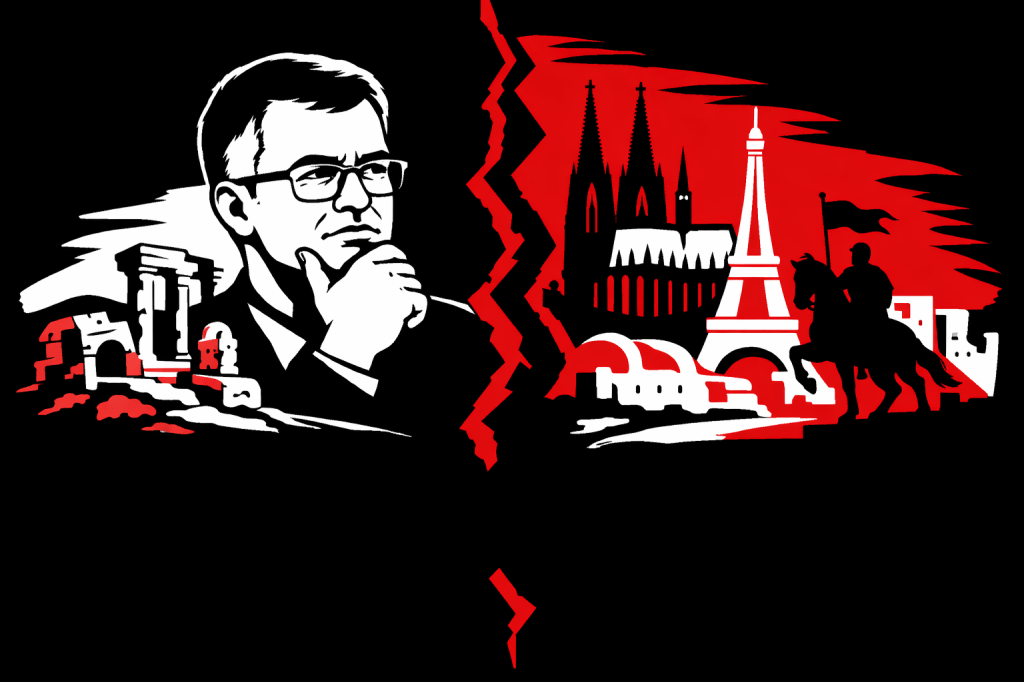
La spiegazione più sensata l’ho trovata leggendo un estratto da un video in cui Simonetta Torresi parla degli intellettuali nelle Marche. Macerata era una città molto diversa da quella che è oggi e da come è stata negli ultimi anni. La Torresi descrive una Macerata molto attiva politicamente, non solo ricca di intellettuali, ma anche di Papi, Re e Imperatori. Rispetto alla realtà degli ultimi secoli, questa situazione è scomparsa. ‘Macerata era Parigi’, dice la Torresi. Ora, però, Macerata è una Parigi macerata. Oggi la chiamano semplicemente Macerata.
È sorprendente come l’espressione ‘Parigi macerata’ si adatti perfettamente al contesto descritto da Simonetta Torresi. L’aggettivo macerata sembra acquistare talmente tanta importanza da sopraffare il nome stesso. Se al posto di Macerata ci fosse stato Parigi, Roma o un altro nome, avrebbe perso rilevanza di fronte al fatto straordinario che questa città fosse stata cancellata dalla storia, macerata. Sarebbe stato cancellato il nome della città, lasciandola spoglia, solo con l’aggettivo addosso.
Sembra quasi incredibile che tutte queste coincidenze combacino: i toponimi, gli scavi, i reperti, i documenti e le storie raccontate dai vecchi. È talmente straordinario che, anche se non fosse vero, sarebbe comunque una storia da raccontare, proprio per la miriade di coincidenze che contiene, per la sua somiglianza con la storia di Parigi. Una storia che darebbe una capitale alla Francia antica, il sud delle Marche.
In ogni caso, se questa storia non fosse vera, sarebbe comunque una storia da raccontare, come sarebbe interessante raccontare di aver fatto bingo senza che il banco te lo riconosca.
Per chi conosce questa storia viene spontaneo chiamare Macerata la vecchia Parigi. Da un’immagine carica di significato, una connessione curiosa e profonda tra due luoghi. Da un lato, Parigi, simbolo universale di eleganza, arte e romanticismo; dall’altro, una città provinciale, ma che porta con sé un’identità unica e una storia peculiare un vissuto intenso, un luogo che ha assorbito le sue esperienze come una tela che custodisce le tracce del tempo.
Parigi macerata è il nome con cui questa storia ribattezza Macerata, un misto di affetto e umorismo, una storia che nobilita Macerata.
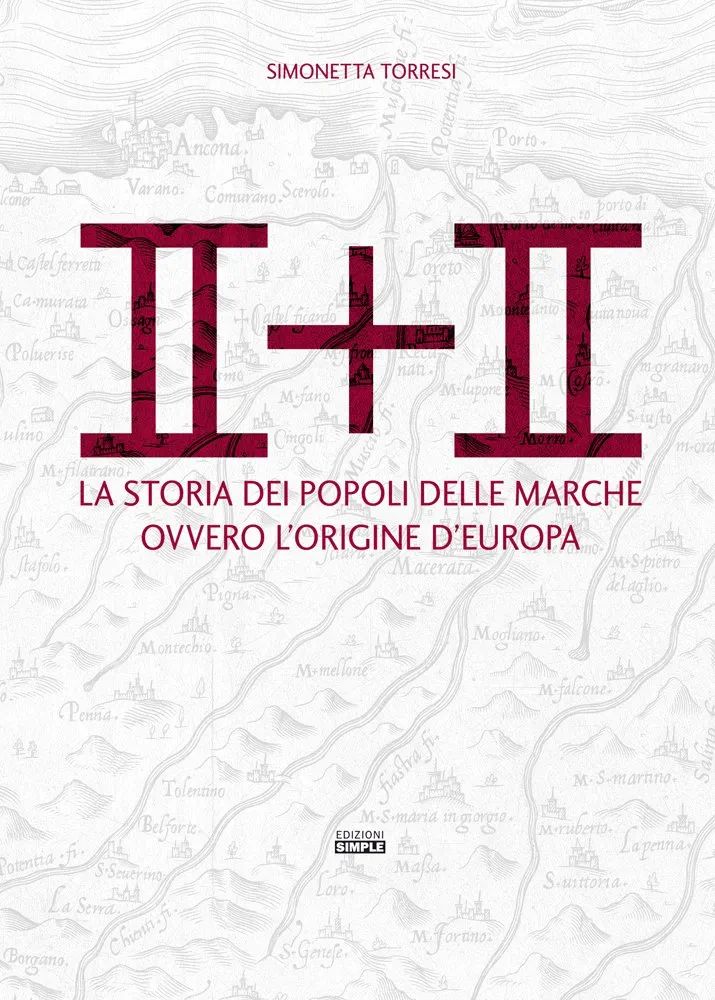
II + II. La storia dei popoli delle Marche ovvero l’origine dell’Europa – Simonetta Torresi
Paris macerata (English Version)
The best way to hide something is to put it in plain sight.
Since childhood, I have sought the hidden meaning behind words, looking beyond their apparent purpose. Whether names of people, places, or things, they sparked my curiosity about their origins and the reasons they were chosen as names. Often, the motivations I uncovered were so fascinating they deserved to be shared.
One name that remained unexplained was Macerata. I was born in Macerata, and while the name appeared frequently in my daily life, its meaning eluded me. Whenever dealing with official paperwork, they would ask for Name, Surname, Date, and Place of Birth: there it was again—Macerata. But what did it mean? It remained a mystery.
Of course, everyone knew that macerata referred to something left to macerate, to decompose, but we were also sure that, in this case, the meaning must be different. Even if the name itself didn’t sound particularly beautiful, the place certainly was.
Could something have happened that turned Macerata from a thriving city into one in decline? I would ponder this briefly, only to dismiss the thought: “No, that’s just fantasy. Major cities with significant histories are Naples, Rome, Milan, Florence, Venice, and in the Marche region, the capital is Ancona. Macerata is a small provincial town and surely has always been one.”
It couldn’t simply be an adjective like schiacciata for flatbread, which is called that for a clear reason: it is literally flattened. Macerata, on the other hand, must have a different origin—perhaps derived from another language or a similar word—but it couldn’t mean macerata literally. That wouldn’t make sense because Macerata is, and has always been, a city, prominently perched on a hill—not flattened on the plains nor decomposed in any way.
Then came Wikipedia, and information became accessible to everyone.
“Generally, the origin of Macerata is traced back to the Roman city of Helvia Recina, which evolved from a pre-existing Italic settlement, perhaps from the 3rd century BC, inhabited by the Piceni.”
Wikipedia suggests that Macerata was built on the ruins of other civilizations. It uses words like generally and is traced back, phrases that seem to argue a case without concrete evidence, as if they were conjectures used when nothing definitive is known. It then mentions Helvia Recina, which was destroyed, leaving ruins, or macerie, from which the name Macerata might theoretically derive. However, the city was not built on those ruins but on a hill in a new location. Why, then, call it Macerata if it wasn’t founded on ruins? Wikipedia asserts one thing while demonstrating the opposite.
For decades, this mystery remained unsolved until I heard Simonetta Torresi speak, prompting me to revisit the name Macerata.
From the name Macerata, one might infer that something whole must have existed; otherwise, there would have been nothing to macerate. But what was macerated? What lies behind this maceration?
Who gave this name to the city? Was it the conqueror, after having macerated it, destroyed it? Or was it named so without physical destruction, only politically macerated? It seems hard to believe that the citizens of Macerata themselves would have chosen such a name without later opting for a more dignified one—a proper noun for their city. Neighboring towns like Corridonia and Pollenza have changed their names multiple times. Even San Claudio has undergone a name change. Renaming was clearly possible. Why, then, did Macerata not change? Does the name hide something?
The best way to hide something is to put it in plain sight. And so it happens that sometimes something becomes something else: we see it but don’t truly see it. At times, an adjective transforms into a noun. White wine becomes simply “white,” a sweet dessert is called simply “sweet.” A used car becomes “a used one,” sold by a “concessionario”—a dealer authorized to sell a specific brand, though they sell much more. Thus, going to buy a used one from a dealer loses context and meaning. Similarly, Macerata makes no sense unless we understand the context in which it was named. When we drop the noun and refer to something by its adjective, it loses its essence, disappearing into the background, even while remaining in plain sight.
The adjective macerata isn’t just a descriptive term; it indicates that someone caused this condition. It is no longer a simple qualifier but conveys the result of an action performed by a subject. This is characteristic of adjectives derived from verbs, which reflect the outcome of an act, as in the case of macerare. Thus, someone macerated this city, and this action is encapsulated in its name. Otherwise, it would have been called macerie (ruins).
All the surrounding villages and districts have clear names. Moreover, there are ruins of earlier settlements everywhere except within the city of Macerata itself. The city is called Macerata, but what was macerated must be within the city. And since the term macerata is feminine, it must refer to the city itself having been macerated.
The most compelling explanation came from a snippet of a video where Simonetta Torresi discussed intellectuals in the Marche region. Macerata was a very different city from what it is today and from how it has been in recent centuries. Torresi describes a politically vibrant Macerata, not only rich with intellectuals but also home to Popes, Kings, and Emperors. Compared to its current state, this past has vanished. “Macerata was Paris,” Torresi says. Today, however, Macerata is a macerated Paris. Now, it’s simply called Macerata.
It’s astonishing how the expression macerated Paris fits perfectly with the context described by Simonetta Torresi. The adjective macerata seems to gain such importance that it overwhelms the original name. If the city had been called Paris, Rome, or another name, that name would pale in comparison to the extraordinary fact of its historical erasure, its maceration. The city’s name would have been obliterated, leaving it bare, cloaked only in its adjective.
It almost seems unbelievable how all these coincidences align: the place names, the excavations, the artifacts, the documents, and the stories told by the elders. It is so extraordinary that, even if it weren’t true, it would still be a story worth telling—simply because of the sheer number of coincidences and its resemblance to the story of Paris. A story that would give a capital to ancient France: the southern Marche.
In any case, if this story weren’t true, it would still deserve to be told, like the thrill of shouting “Bingo!” even if the dealer doesn’t recognize your win.
For those who know this story, it becomes natural to call Macerata the old Paris. It creates a vivid and meaningful connection between two places. On one side, Paris, a universal symbol of elegance, art, and romance; on the other, a provincial town that carries with it a unique identity, a peculiar history, a vivid past—a place that has absorbed its experiences like a canvas preserving the traces of time.
Macerated Paris is the name by which this story rechristens Macerata—a mix of affection and humor, a story that ennobles Macerata.
Source: II + II. La storia dei popoli delle Marche ovvero l’origine dell’Europa – Simonetta Torresi


 Marche Magne