
English version follows at the end.
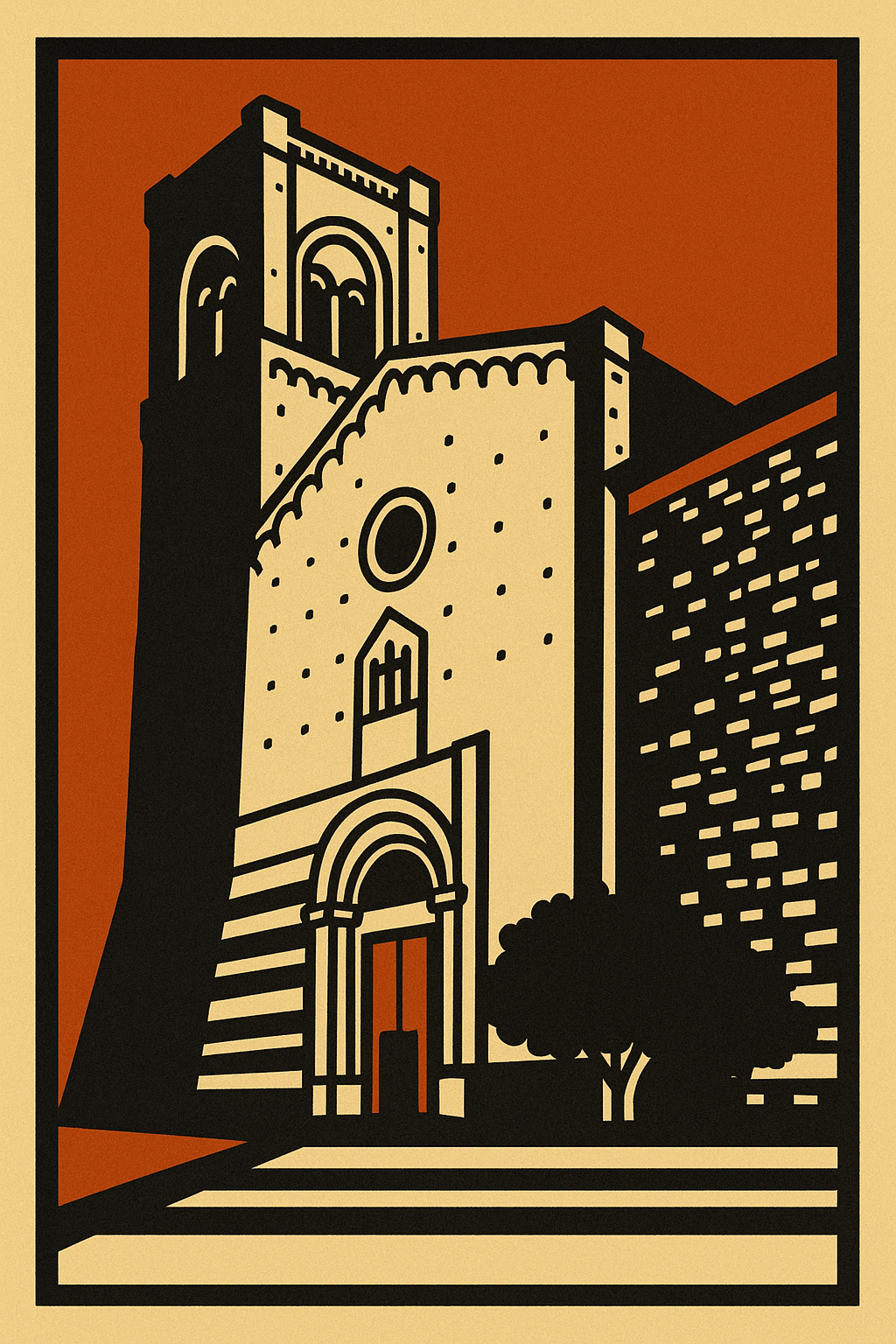
Durante alcuni scavi al Duomo Vecchio di San Severino Marche, in provincia di Macerata, il CNR ha portato alla luce quattro abbazie medievali costruite una sopra l’altra.
A partire da questa scoperta, Simonetta Torresi solleva una serie di interrogativi.
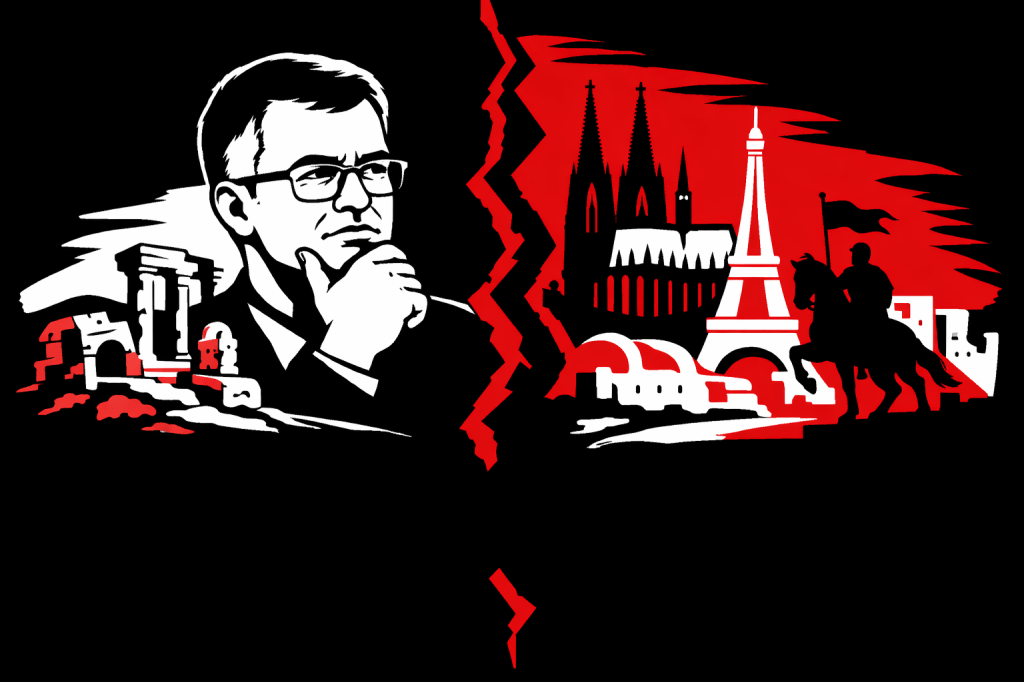
Secondo lei, il confronto con Colonia è emblematico: sotto l’attuale cattedrale tedesca non sono stati trovati resti significativi. Eppure la cattedrale di Colonia è citata già nel Medioevo. Torresi ricorda che l’imperatore Federico Barbarossa vi fece traslare da Milano le reliquie dei Re Magi. Ma se la grande cattedrale che oggi conosciamo è stata costruita solo nell’Ottocento, dove si trovava l’edificio menzionato nei documenti medievali?
Torresi sottolinea inoltre che a Colonia non sono stati rinvenuti neppure il ponte fatto costruire da Costantino sul fiume, caratterizzato da una struttura fortificata con mura attorno, né il palazzo in cui avrebbe risieduto il re dei Franchi ripuari, insediato proprio da Costantino. Anche di questi luoghi non si trova traccia.
La studiosa osserva che la città, nel Medioevo, era sede di una delle più grandi fiere europee. Tuttavia, mancano i documenti che ne testimonino l’ubicazione, mentre in altre città analoghe tracce sono state conservate. Lo stesso vale per i mulini: a Colonia non se ne trovano resti, eppure si sa che la popolazione era numerosa e aveva necessità di sostentamento.
Sono domande e perplessità – afferma Torresi – che l’hanno spinta a un percorso di ricerca più ampio, avviato proprio dalle Marche e dal Piceno, e poi esteso ad altre città.
Fonte:
Il Punto di Vista: https://www.youtube.com/watch?v=xuSnP2-TL4k&t=1064s
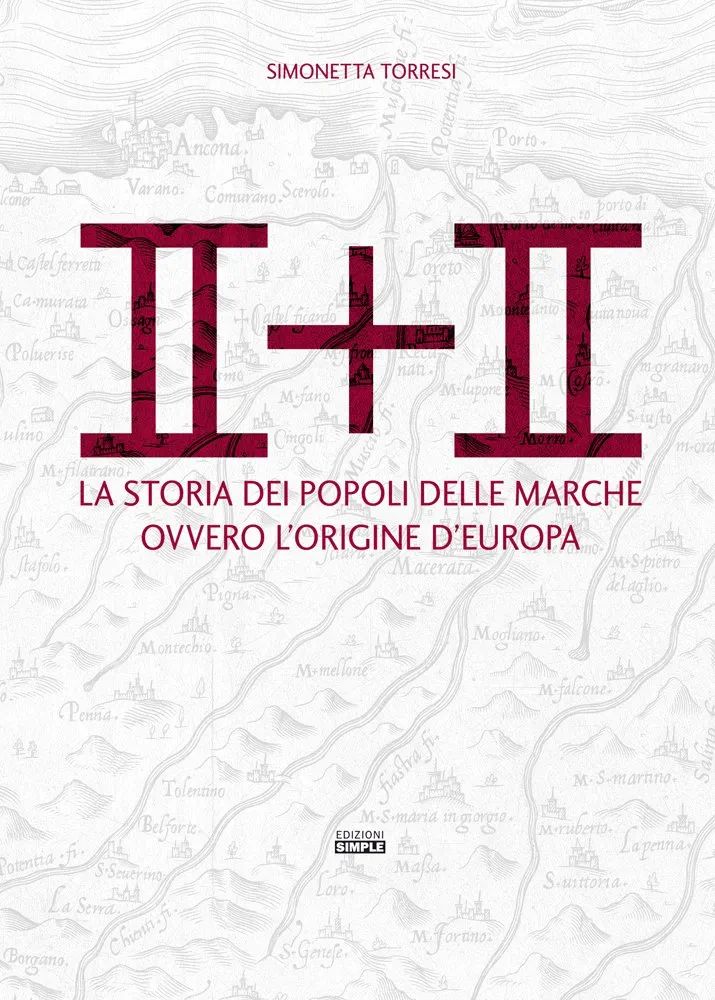
II + II. La storia dei popoli delle Marche ovvero l’origine dell’Europa – Simonetta Torresi
Cologne is San Severino Marche. (English Version)
During some excavations at the Old Cathedral (Duomo Vecchio) of San Severino Marche, in the province of Macerata, the CNR brought to light four medieval abbeys built one on top of the other.
Starting from this discovery, Simonetta Torresi raises a series of questions.
According to her, the comparison with Cologne is emblematic: beneath the present German cathedral, no significant remains have been found. Yet the Cathedral of Cologne is mentioned as early as the Middle Ages. Torresi recalls that Emperor Frederick Barbarossa had the relics of the Magi transferred there from Milan. But if the great cathedral we know today was only built in the nineteenth century, where was the building mentioned in medieval documents?
Torresi also points out that in Cologne neither the bridge commissioned by Constantine over the river—characterized by a fortified structure with surrounding walls—nor the palace in which the king of the Ripuarian Franks, established there by Constantine himself, is said to have resided, have been discovered. No trace of these places has been found either.
The scholar observes that the city, in the Middle Ages, hosted one of the largest fairs in Europe. However, the documents attesting to its location are missing, whereas in other comparable cities traces have been preserved. The same goes for the mills: in Cologne no remains have been found, and yet it is known that the population was large and required means of sustenance.
These are questions and doubts—Torresi states—that led her to a broader research path, starting precisely from the Marche and the Piceno, and then extending to other cities.
Il punto di Vista: https://www.youtube.com/watch?v=xuSnP2-TL4k&t=1064s
II + II. La storia dei popoli delle Marche ovvero l’origine dell’Europa – Simonetta Torresi


 Marche Magne
Lascia un commento