

English version follows at the end
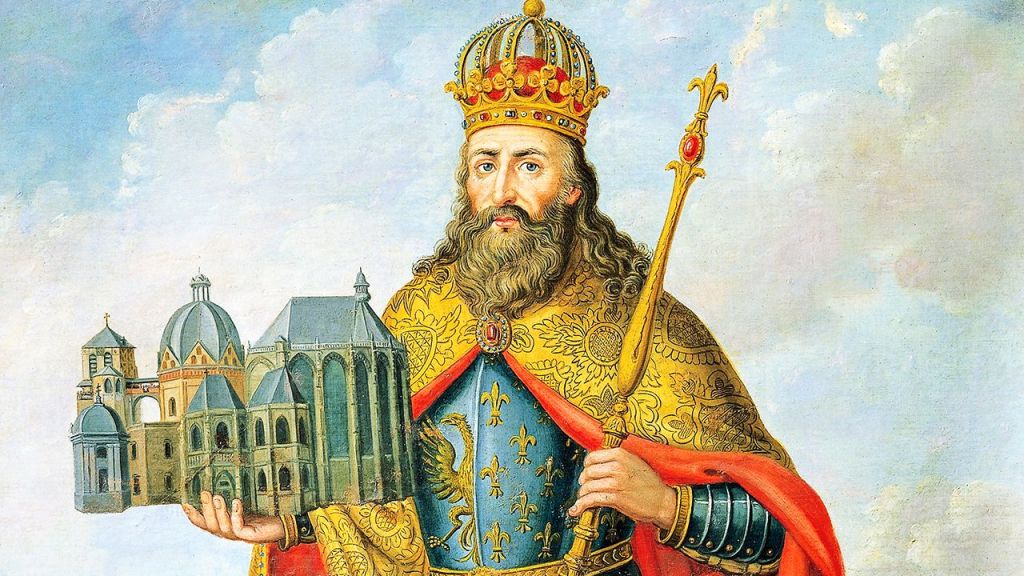
La questione riguardante la possibilità che la base di Carlo Magno fosse in Italia piuttosto che in Germania, solleva un punto significativo: la ricerca per determinare il vero cuore dell’Europa.
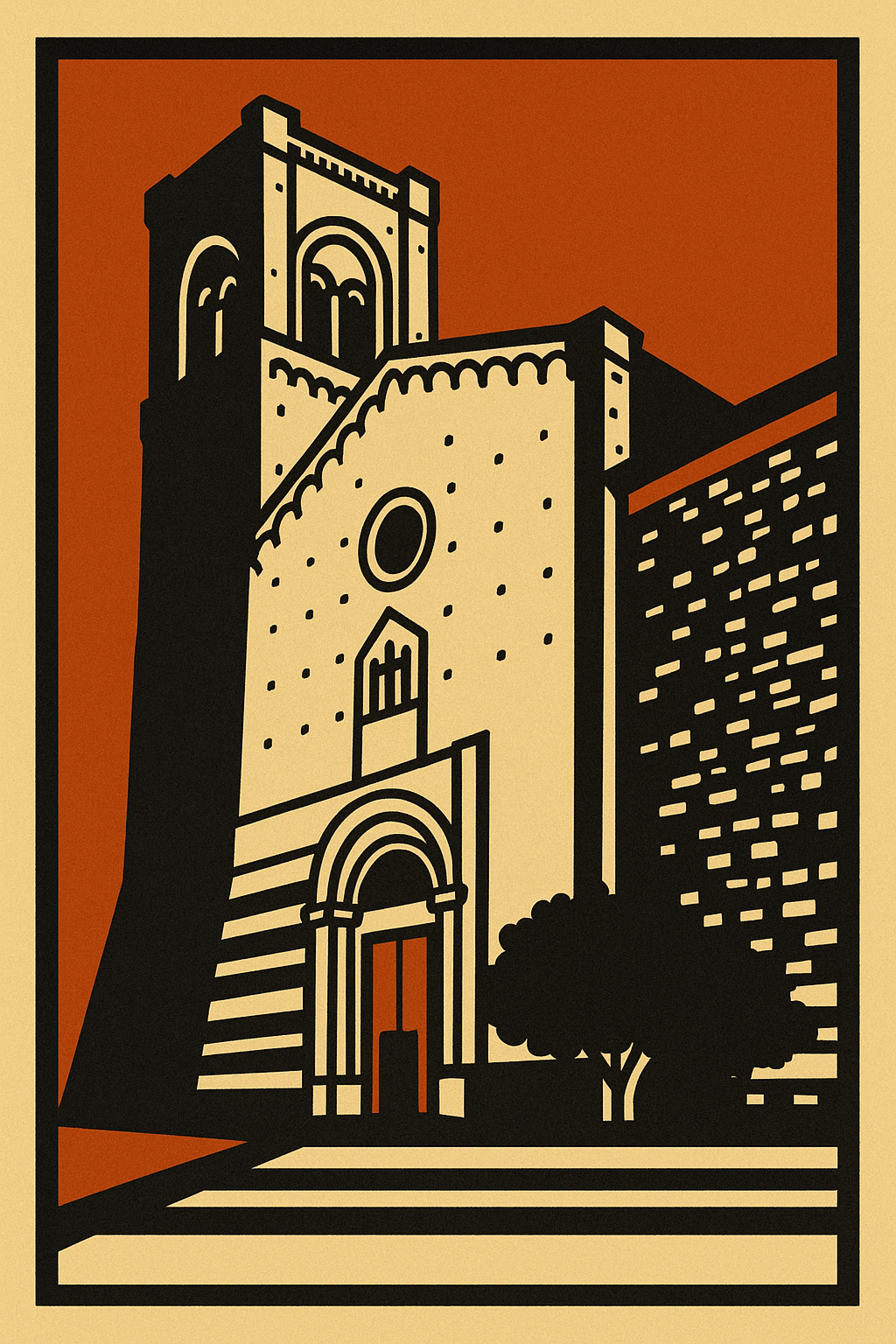
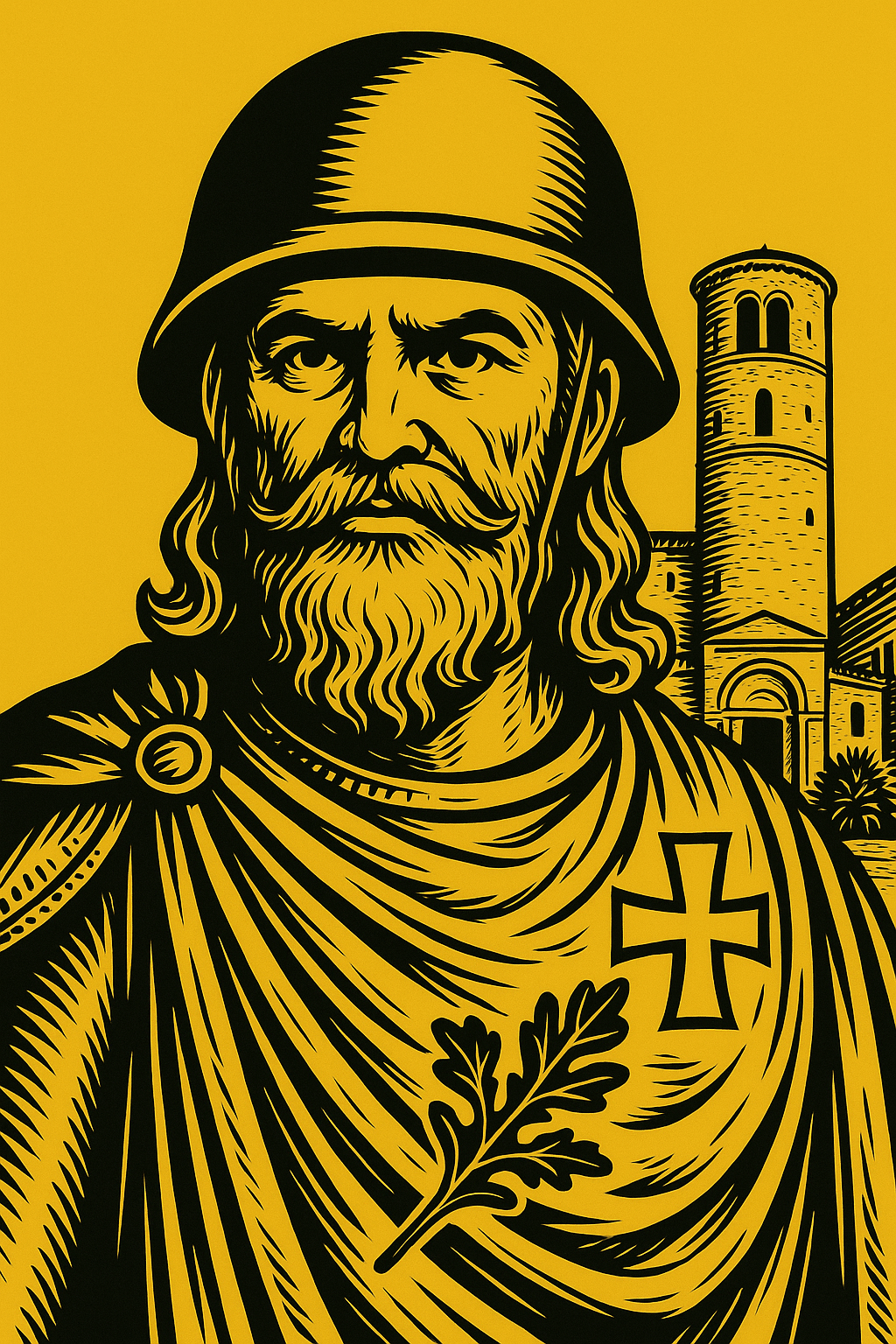
La chiesa di San Claudio, con la sua cupola bianca e le torri snelle, si erge misteriosamente dal terreno alluvionale della valle del Chienti fino all’Adriatico. Sebbene le guide turistiche la descrivano come un’abbazia romanica dell’XI secolo, i locali di Macerata insistono che sia più antica di due secoli e intimamente legata a Carlo Magno, spesso considerato il “Padre dell’Europa”. Credono che servisse come quartier generale del monarca, dove teneva corte tra una guerra e l’altra, costruì una cappella personale e infine fu sepolto. Ciò sfida la visione prevalente che colloca la base di Carlo Magno ad Aquisgrana, in Germania. Marco Rotunno, una guida esperta della regione delle Marche, la definisce uno dei tanti segreti della zona. Nonostante la sua eccentricità, questa affermazione ha implicazioni significative, dato il ruolo simbolico di Carlo Magno nell’unità europea. Mentre Aquisgrana è stata tradizionalmente esaltata dalle istituzioni europee del dopoguerra, l’idea che il cuore storico dell’Europa possa trovarsi a sud delle Alpi spinge a una rivalutazione della sua storia e identità.
Nonostante il ruolo ben consolidato di Aquisgrana come capitale del Sacro Romano Impero, alcuni, come Giovanni Carnevale, sostengono che San Claudio fosse la vera Aquisgrana. Traendo spunto da varie fonti, tra cui testi latini, francesi e tedeschi, Carnevale presenta un’argomentazione convincente, supportata da dettagli geografici che si allineano con l’ambiente di San Claudio. Altre chiese medievali descritte come copie della “cappella di Carlo Magno” assomigliano a San Claudio, sfidando la narrativa convenzionale.
L’eredità di Carlo Magno è stata contestata nel corso della storia, con varie città che affermano di essere il luogo della sua nascita e la sua immagine invocata da diverse fazioni per scopi politici. Nonostante lo scioglimento del Sacro Romano Impero da parte di Napoleone, l’influenza di Carlo Magno è persistita, con il Kaiser Guglielmo II e Adolf Hitler entrambi attratti dalla sua eredità. Anche ai giorni nostri, l’influenza di Carlo Magno rimane evidente, come dimostrato nei rituali di incoronazione dei monarchi europei.
Sebbene la vita di Carlo Magno sia spesso avvolta da incertezze e contese, storici come Philip Daileader affermano che la sua biografia di base è oggi meglio compresa che mai. Tuttavia, studiosi come Florian Hartmann respingono teorie alternative, sostenendo che gli stessi decreti di Carlo Magno lo collocano fermamente in Germania.
Gli appassionati di San Claudio continuano a interrogarsi sui movimenti di Carlo Magno, chiedendosi se fosse possibile per lui viaggiare dall’Italia alla Germania e ritorno nel giro di poche settimane. La loro persistenza sottolinea il fascino duraturo dell’eredità di Carlo Magno e la continua ricerca della verità sul suo significato storico.
The Economist (English Version)
The question about Charlemagne’s base potentially being in Italy rather than Germany, raises a significant point: the quest to determine the true heart of Europe
The church of San Claudio, with its off-white dome and slender towers, rises mysteriously from the alluvial soil of the Chienti valley to the Adriatic. While guidebooks label it as an 11th-century Romanesque abbey, locals in Macerata insist it’s two centuries older and intimately linked with Charlemagne, often hailed as the “Father of Europe.” They believe it served as the headquarters of the monarch, where he held court between wars, built a personal chapel, and was eventually laid to rest. This challenges the prevailing view that places Charlemagne’s base in Aachen, Germany. Marco Rotunno, a veteran guide to the Marche region, calls it one of the many secrets of the area. Despite its eccentricity, this claim has significant implications, given Charlemagne’s symbolic role in European unity. While Aachen has been traditionally showcased by post-war European institutions, the idea that Europe’s historical heart might lie south of the Alps prompts a reevaluation of its history and identity.
Despite Aachen’s well-established role as the capital of the Holy Roman Empire, some, like Giovanni Carnevale, argue that San Claudio was the original Aquisgrana. Drawing from various sources, including Latin, French, and German texts, Carnevale presents a compelling case, supported by the geographical details that align with San Claudio’s environment. Other medieval churches described as copies of “Charlemagne’s chapel” also bear resemblance to San Claudio, challenging the conventional narrative.
Charlemagne’s legacy has been contested throughout history, with various cities claiming to be his birthplace and his image invoked by different factions for political purposes. Despite Napoleon’s dissolution of the Holy Roman Empire, Charlemagne’s influence persisted, with Kaiser Wilhelm II and Adolf Hitler both drawn to his legacy. Even in contemporary times, Charlemagne’s influence remains evident, as seen in the coronation rituals of European monarchs.
While Charlemagne’s life is often shrouded in vagueness and contestation, historians like Philip Daileader assert that his basic biography is now better understood than ever before. However, scholars like Florian Hartmann refute alternative theories, arguing that Charlemagne’s own decrees place him firmly in Germany.
Enthusiasts at San Claudio continue to ponder Charlemagne’s movements, questioning whether he could have traveled from Italy to Germany and back within a matter of weeks. Their persistence underscores the enduring fascination with Charlemagne’s legacy and the ongoing quest to uncover the truth about his historical significance.
The question about Charlemagne’s base potentially being in Italy rather than Germany, despite its eccentricity, raises a significant point: the quest to determine the true heart of Europe
The church of San Claudio, with its off-white dome and slender towers, rises mysteriously from the alluvial soil of the Chienti valley to the Adriatic. While guidebooks label it as an 11th-century Romanesque abbey, locals in Macerata insist it’s two centuries older and intimately linked with Charlemagne, often hailed as the “Father of Europe.” They believe it served as the headquarters of the monarch, where he held court between wars, built a personal chapel, and was eventually laid to rest. This challenges the prevailing view that places Charlemagne’s base in Aachen, Germany. Marco Rotunno, a veteran guide to the Marche region, calls it one of the many secrets of the area. Despite its eccentricity, this claim has significant implications, given Charlemagne’s symbolic role in European unity. While Aachen has been traditionally showcased by post-war European institutions, the idea that Europe’s historical heart might lie south of the Alps prompts a reevaluation of its history and identity.
Despite Aachen’s well-established role as the capital of the Holy Roman Empire, some, like Giovanni Carnevale, argue that San Claudio was the original Aquisgrana. Drawing from various sources, including Latin, French, and German texts, Carnevale presents a compelling case, supported by the geographical details that align with San Claudio’s environment. Other medieval churches described as copies of “Charlemagne’s chapel” also bear resemblance to San Claudio, challenging the conventional narrative.
Charlemagne’s legacy has been contested throughout history, with various cities claiming to be his birthplace and his image invoked by different factions for political purposes. Despite Napoleon’s dissolution of the Holy Roman Empire, Charlemagne’s influence persisted, with Kaiser Wilhelm II and Adolf Hitler both drawn to his legacy. Even in contemporary times, Charlemagne’s influence remains evident, as seen in the coronation rituals of European monarchs.
While Charlemagne’s life is often shrouded in vagueness and contestation, historians like Philip Daileader assert that his basic biography is now better understood than ever before. However, scholars like Florian Hartmann refute alternative theories, arguing that Charlemagne’s own decrees place him firmly in Germany.
Enthusiasts at San Claudio continue to ponder Charlemagne’s movements, questioning whether he could have traveled from Italy to Germany and back within a matter of weeks. Their persistence underscores the enduring fascination with Charlemagne’s legacy and the ongoing quest to uncover the truth about his historical significance.


 Marche Magne
Lascia un commento