
English version follows at the end
Carlo Magno, avendo iniziato a regnare come sovrano unico dell’Occidente, poiché la cultura letteraria era quasi ovunque decaduta e con essa lo studio della Sacra Scrittura si era indebolito, portò dall’Irlanda in Gallia, con mercanti dalla Britannia, due Scozzesi, due uomini eccellentemente eruditi sia nella letteratura secolare che in quella sacra.
Questi due, non mostrando alcun interesse venale verso coloro che si affollavano per fare acquisti, erano soliti dire: “Se qualcuno è desideroso di saggezza, venga da noi e la compri; da noi si può acquistare.” E venivano a comprarla. La gente crede che ciò che vale la pena di comprare non è ciò che è gratuito, ma ciò che ha un prezzo.
E così come esortavano a comprare la saggezza come facevano con altre cose, suscitavano in loro stupore e meraviglia. Infine, queste cose furono tanto ripetute a coloro che si meravigliavano o li credevano pazzi che furono riferite alle orecchie di re Carlo Magno, sempre molto desideroso di saggezza.
Avendoli chiamati con tutto il fervore alla sua presenza, li interrogò se, come aveva sentito dalla fama, avessero saggezza da vendere. Essi dissero: “Ce l’abbiamo, e in nome di Dio, siamo pronti a darla a coloro che la meritano veramente.” Quando Carlo Magno chiese loro cosa volessero in cambio, risposero: “Solo una dimora adatta, studenti intelligenti, cibo senza il quale non si può vivere, e vestiti da indossare.” Udendo ciò, Carlo Magno, pieno di grande gioia, li ospitò per un po’ di tempo con sé.
Poi, dovendo partire per una spedizione di guerra, ordinò a uno di loro, chiamato Clemente, di stabilirsi in Gallia e gli affidò un numero adeguato di giovani molto nobili, di classe media e bassa, che lo trattarono come loro amico; ordinò loro di fornirgli cibo, dopo averli sistemati in luoghi idonei dove vivere. L’altro, di nome Albino, lo inviò in Italia e gli assegnò il Monastero di Sant’Agostino vicino alla città di Pavia, affinché coloro che lo desideravano potessero studiare insieme.
Alcuin and Clement (English Version)
Charlemagne, having begun to reign as the sole sovereign of the West, since literary culture had declined almost everywhere and with it the study of Sacred Scripture had weakened, brought from Ireland to Gaul with merchants from Britannia two Scots, two men learned excellently both in secular and sacred literature.
These two, showing no venal interest to those who crowded to make purchases, used to say: “If one is eager for wisdom, let him come to us and buy it; with us it can be bought.” They came to buy it. People believe that what is worth buying is not what is free but what has a price.
And just as they urged them to buy wisdom as they bought other things, they aroused in them astonishment and wonder. Finally, these things were so repeated to those who marveled or thought them crazy that they were reported to the ears of King Charlemagne, always very eager for wisdom.
Having called them with all eagerness to his presence, he interrogated them if, as he had heard from fame, they had wisdom to sell. They said: “We have it, and in the name of God, we are ready to give it to those who truly deserve it.” When Charlemagne asked them what they asked in return, they replied: “Only a suitable dwelling, intelligent students, food without which one cannot live, and clothes to wear.” Hearing this, Charlemagne, full of great joy, hosted them for a while with him.
Then, having to leave for a war expedition, he ordered one of them, called Clement, to settle in Gaul and entrusted him with a suitable number of very noble young men, of middle and lower class, and they treated him as their friend; he ordered them to provide him with food, after having settled them in suitable places to live. The other, named Albino, he sent to Italy and assigned him the Monastery of St. Augustine near the city of Pavia so that those who wanted to could study together.
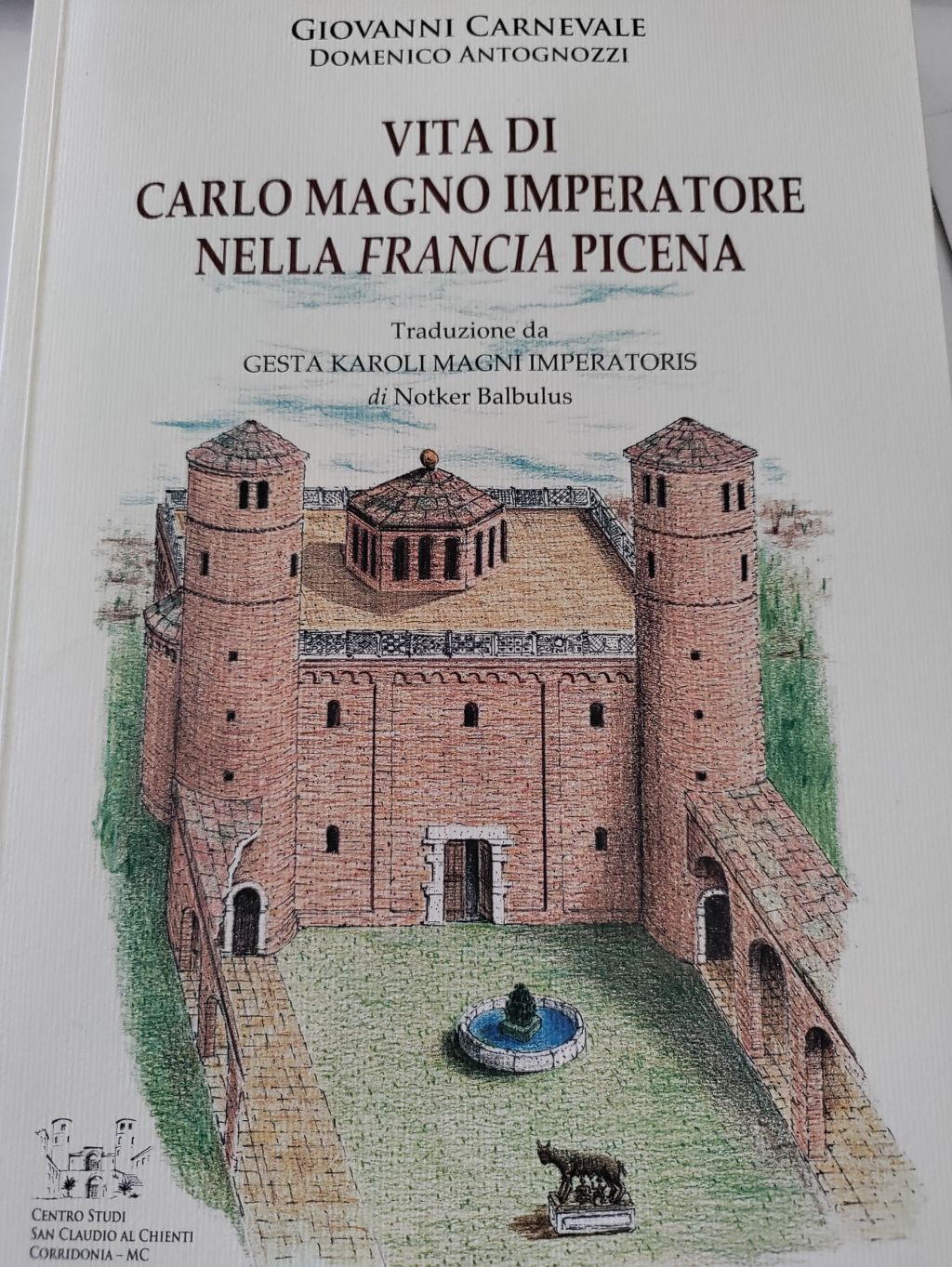
Source: Source: Vita di Carlo Magno Imperatore nella Francia Picena – Giovanni Carnevale






Rispondi