
English version follows at the end
Appennini chiamati Alpi: Il nome “Alpi” potrebbe essere stato usato per riferirsi alla catena montuosa ora conosciuta come gli Appennini dai Celti che abitavano l’Italia. Le prove a sostegno di questa ipotesi sono fornite dal lavoro di Ulisse Aldrovandi nel XVI secolo, che descrisse i Monti Sibillini come “Alpi” nei suoi appunti di viaggio. Questo suggerisce che il termine “Alpi” potrebbe essere stato usato per indicare almeno una parte degli Appennini nei tempi antichi. Inoltre, vengono citati toponimi come “Alpe della Luna” in Toscana, Umbria e Marche e “Alpi Scuzie” che dividevano la Toscana dall’Emilia Romagna nel Medioevo, indicando che l’intera catena appenninica potrebbe essere stata chiamata “Alpi” nei tempi antichi. Questo supporta l’idea che i Celti influenzarono la denominazione delle montagne basandosi sulla loro lingua e cultura.
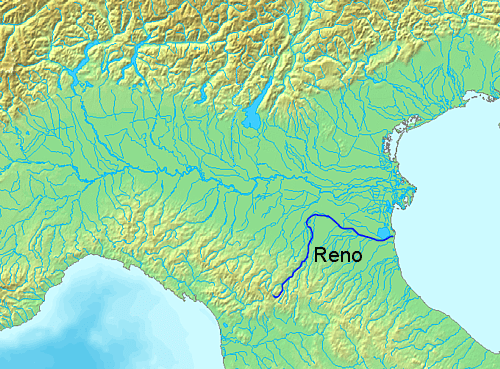
Il Reno in Italia, non in Germania: La presenza del fiume Reno in Italia, suggerisce che Aristotele potrebbe aver fatto riferimento al Reno italiano piuttosto che a quello in Germania. Le prove a sostegno di questo argomento includono la posizione del fiume Reno che scorre vicino a Bologna, in Italia. Il re degli Insubri, Viridomaro, affermava di provenire dal Dio Reno, suggerendo che il nome potrebbe essere stato conservato dai Celti stabiliti nel nord Italia. Inoltre, reperti archeologici come i resti della civiltà villanoviana sul Monte Bibele vicino a Bologna testimoniano l’antichità degli insediamenti celtici nel nord Italia. Questo supporta l’idea che i Celti portarono il nome del fiume dalla loro terra d’origine e che il Reno in Italia ha giocato un ruolo importante nella storia e nella cultura della regione. Infine, i rapporti documentati di interazioni tra Greci e popolazioni celtiche ed etrusche nel nord Italia servono come ulteriore prova della presenza dei Celti e del fiume Reno in Italia.
Alcuni popoli celtici: Alcuni popoli celtici, come i Celti Boi, migrarono dall’Italia verso l’Europa centrale. I Celti Boi, originariamente stabiliti tra Parma e Bologna, sono riportati come essersi migrati verso nord, scomparendo dal loro territorio nei tempi antichi. Plinio il Vecchio menziona nel I secolo d.C. che i Boi erano uno dei grandi popoli scomparsi dalla Pianura Padana, suggerendo che si fossero spostati verso l’area danubiana, inclusa la Boemia. Questo movimento migratorio dei Celti Boi è un esempio di come alcune popolazioni celtiche potrebbero essersi spostate dall’Italia verso l’Europa centrale, non viceversa.
Which Alps? Which Rhine? (English Version)
Appennines called Alps: The name “Alps” might have been used to refer to the mountain range now known as the Apennines by the Celts who inhabited Italy. Evidence supporting this hypothesis is provided by the work of Ulisse Aldrovandi in the XVI century, who described the Monti Sibillini as “Alps” in his travel notes. This suggests that the term “Alps” might have been used to indicate at least a part of the Apennines in earlier times. Additionally, toponyms such as “Alpe della Luna” in Toscana, Umbria and Marche and “Alpi Scuzie” dividing Tuscany from Emilia Romagna in the Middle Ages are mentioned, indicating that the entire Apennine chain might have been called “Alps” in ancient times. This supports the idea that the Celts influenced the mountain naming based on their language and culture.
The Reno in Italy, not in Germany: The presence of the Reno river in Italy, suggests that Aristotle might have referred to the Italian Reno rather than the one in Germany. Evidence supporting this argument includes the location of the Reno river flowing near Bologna, Italy. The king of the Insubri, Viridomaro, claimed to originate from the god Reno, suggesting that the name might have been retained by the Celts settled in Northern Italy. Furthermore, archaeological findings such as the remains of the Villanovan civilization in Mount Bibele near Bologna testify to the antiquity of Celtic settlements in Northern Italy. This supports the idea that the Celts brought the river name from their homeland and that the Reno in Italy played an important role in the history and culture of the region. Finally, documented reports of Greeks interacting with Celtic and Etruscan populations in Northern Italy serve as further evidence of the presence of Celts and the Reno river in Italy.
Some Celtic peoples, such as the Celti Boi, migrated from Italy to Central Europe. The Celti Boi, originally settled between Parma and Bologna, are reported to have migrated northwards, disappearing from their territory in ancient times. Pliny the Elder mentions in the 1st century AD that the Boi were one of the great peoples that disappeared from the Po Valley, suggesting they moved towards the Danubian area, including Bohemia. This migratory movement of the Celti Boi is an example of how some Celtic populations might have moved from Italy to Central Europe, not vice versa.
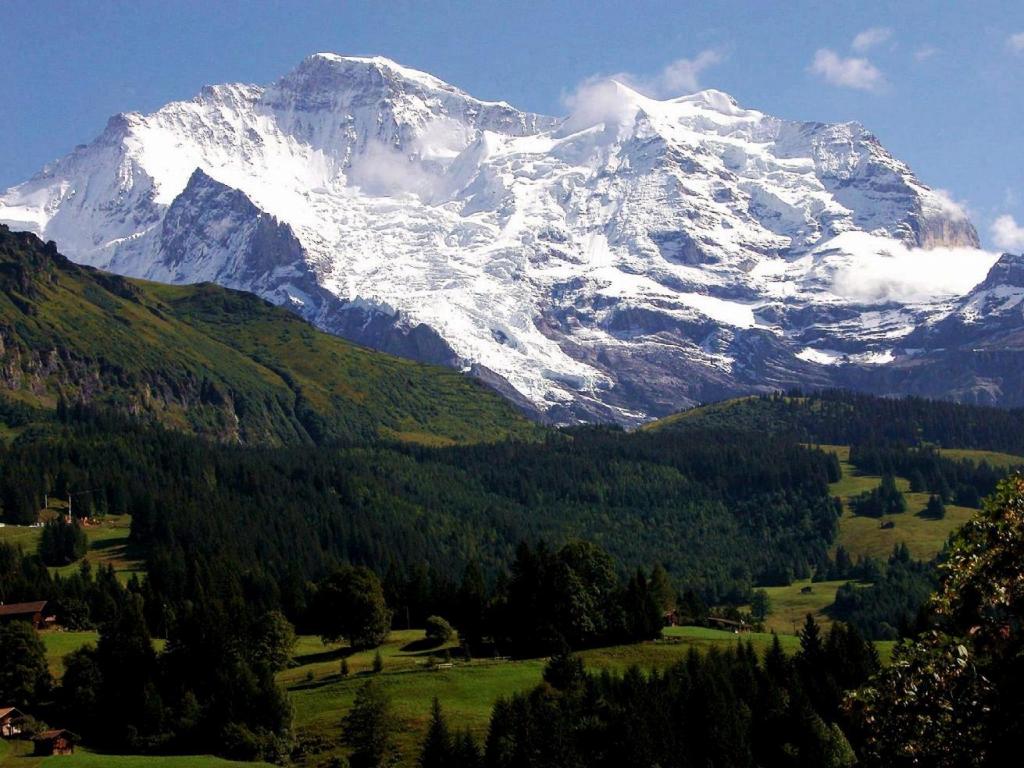
Photo 1: Jungfrau in the Bernese Oberland in Switzerland. (Wikipedia)
Photo 2: Reno river, Italy. (Wikipedia)
Source: II + II. La storia dei popoli delle Marche ovvero l’origine dell’Europa – Simonetta Torresi



Rispondi