
English version follows at the end.
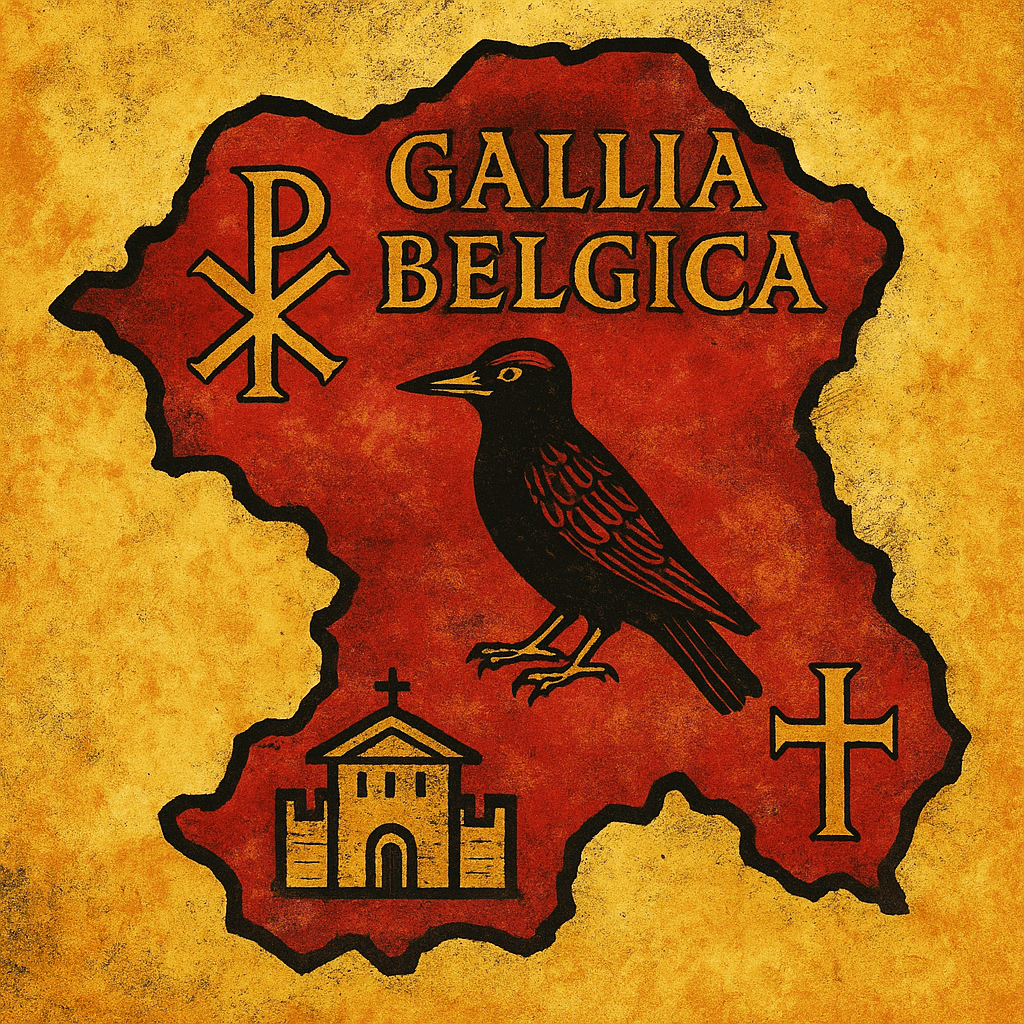
L’identificazione tradizionale della Gallia Belgica con l’area geografica corrispondente all’odierno Belgio, al nord-est della Francia e a parte della Germania occidentale è una costruzione storiografica moderna, basata su fonti romane e su un’interpretazione topografica successiva. Tuttavia, una rilettura più critica delle fonti e dei dati culturali, religiosi e toponomastici offre una prospettiva alternativa: la Gallia Belgica potrebbe non essere mai esistita nei luoghi in cui oggi viene collocata, ma coincidere piuttosto con un’area dell’Italia centrale, compresa tra le attuali province Ascoli Piceno e Fermo, zona di Camerino e parte dell’Umbria.
In questa visione, il nome Gallia Belgica designava un’area abitata da popolazioni galliche e celtiche insediate stabilmente ben prima delle migrazioni transalpine documentate. Si tratterebbe dunque di una regione originaria dei Galli Piceni, da tempo in contatto con le culture italiche, ma ancora fortemente connotata da identità celtiche. La presenza di nomi tribali come quello dei Biturigi nel centro Italia – popolo che secondo varie fonti era collocato nel cuore della Gallia Celtica – rafforza l’idea che tali gruppi fossero parte integrante del tessuto etnico marchigiano. Questo fa ipotizzare che le tradizioni che parlano della “sottomissione dei Celti della Gallia da parte dei Biturigi” si riferiscano in realtà a conflitti interni a popolazioni stanziate in Italia e non a espansioni verso nord.
La documentazione agiografica e liturgica offre numerosi indizi in favore di questa localizzazione alternativa. Molti santi venerati nelle Marche sono detti “provenienti dalla Gallia Belgica”, ma l’interpretazione che li vorrebbe immigrati dal lontano nord Europa presenta notevoli incongruenze. È improbabile, ad esempio, che un personaggio come Sant’Emidio, che fu vescovo di Ascoli Piceno nel III secolo e primo evangelizzatore della zona, potesse essere stato inviato lì da Roma pur provenendo dall’attuale Treviri in Germania, quando già nell’Ascolano esisteva una comunità cristiana stabile. Se Treviri era la capitale della Gallia Belgica, nulla impedisce di ipotizzare che questo stesso toponimo fosse attribuito a una città marchigiana, probabilmente Fermo, che all’epoca godeva di grande importanza e che in alcuni documenti sembra portare nomi simili (Furne, Furnensis).
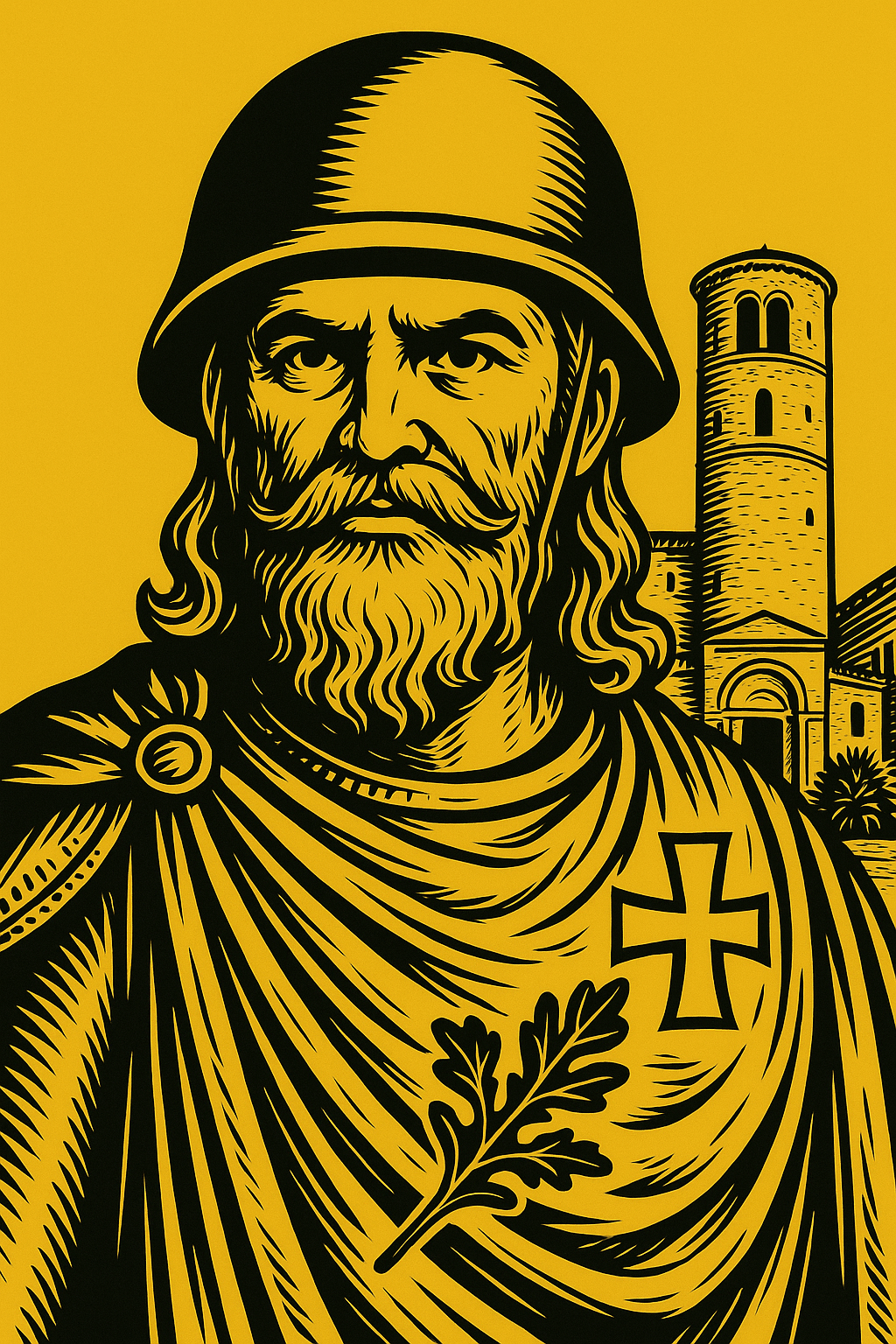
Un caso emblematico è quello di San Giuliano, patrono di Macerata, definito anch’egli “belga” dalle fonti. Secondo la leggenda, Giuliano, dopo aver involontariamente ucciso i propri genitori, si pentì e decise di espiare le sue colpe svolgendo il ruolo di traghettatore sul fiume Potenza, nei pressi della città romana di Helvia Ricina. L’insediamento del suo culto in questo preciso contesto geografico – al centro delle Marche – unito all’associazione della sua origine al “Belgio”, fa pensare che quel “Belgio” fosse in realtà una denominazione antica e ormai perduta dell’area. È poco credibile, infatti, che due anziani genitori, nel pieno Medioevo, avrebbero potuto viaggiare dall’attuale Belgio fino alla Galizia spagnola e poi il figlio raggiungere le Marche per espiare le sue colpe sul fiume Potenza, se non si ammette una localizzazione diversa della patria originaria.
Un ulteriore indizio significativo si trova nella figura del vescovo Lupo, documentato al sinodo romano dell’826. In alcuni atti viene indicato come vescovo Furnense, che alcuni studiosi hanno inteso erroneamente come “vescovo belga”, intendendo per “Furne” una città fuori dall’Italia. Ma la documentazione successiva chiarisce che si tratta in realtà del vescovo di Fermo, città marchigiana. L’errore deriva con ogni probabilità da un’errata lettura paleografica o da un’interpretazione influenzata dal paradigma geografico classico. Questo tipo di fraintendimenti è frequente quando una medesima area geografica viene chiamata in modi diversi nel tempo, come accade anche per Lucania e Basilicata, nomi sovrapposti per la stessa regione meridionale.
Anche nella prima cristianizzazione del territorio si trovano tracce che avvalorano la teoria di una Gallia Belgica italiana. Le fonti locali, ad esempio, tramandano la presenza ad Ancona di reliquie del martirio di Santo Stefano, portate fin dall’inizio del I secolo, e attribuiscono ad Apostoli come Pietro e Paolo un passaggio attraverso le Marche e l’Umbria, nonostante le versioni ufficiali collocassero l’arrivo di Pietro a Pisa. In latino, tuttavia, Pisa poteva designare Pisaurum, l’attuale Pesaro, molto più vicina alle rotte adriatiche, e quindi più plausibile come punto di sbarco per chi proveniva da oriente.
Un altro elemento a sostegno della teoria riguarda San Lino, primo successore di Pietro come vescovo di Roma, che secondo la tradizione ecclesiastica era originario del territorio ascolano. Questo legame tra Ascoli e Roma, rafforzato dalla presenza di numerose figure sante nelle Marche già in epoca apostolica, rende ancora più verosimile che la Gallia Belgica di cui si parla nei documenti altomedievali sia proprio quella regione, chiamata in altre occasioni anche Piceno.
La confusione storiografica nasce quindi da una sovrapposizione di nomi e da una separazione indebita tra identità geografiche che in realtà coincidevano.
Fonte:
II + II. La storia dei popoli delle Marche ovvero l’origine dell’Europa – Simonetta Torresi
Fermo, Capital of Belgium (English Version)
The traditional identification of Gallia Belgica with the geographical area corresponding to present-day Belgium, north-eastern France, and parts of western Germany is a modern historiographical construction, based on Roman sources and later topographical interpretation. However, a more critical reading of the sources—alongside cultural, religious, and toponymic evidence—offers an alternative perspective: Gallia Belgica may never have existed in the places where it is currently situated but may instead coincide with a central Italian area, including the present-day provinces of Ascoli Piceno and Fermo, the Camerino region, and part of Umbria.
According to this view, the name Gallia Belgica designated a region inhabited by Gallic and Celtic peoples who had settled there well before the transalpine migrations recorded in later sources. It would therefore be a homeland of the Picene Gauls, long in contact with Italic cultures yet still strongly marked by Celtic identity. The presence of tribal names such as that of the Bituriges in central Italy—a people that various sources place in the heart of Celtic Gaul—reinforces the idea that such groups were an integral part of the ethnic fabric of the Marche region. This leads to the hypothesis that traditions speaking of the “subjugation of the Celts of Gaul by the Bituriges” may in fact refer to internal conflicts among populations already settled in Italy, rather than to northward expansions.
Hagiographic and liturgical documentation provides numerous clues supporting this alternative localisation. Many saints venerated in the Marche region are said to be “from Gallia Belgica”, yet the notion that they migrated from distant northern Europe reveals significant inconsistencies. For instance, it seems unlikely that a figure such as Saint Emidius—bishop of Ascoli Piceno in the 3rd century and the region’s first evangeliser—could have been sent there from Rome while originating from present-day Trier in Germany, particularly when a stable Christian community already existed in the Ascoli area. If Trier was the capital of Gallia Belgica, there is no reason not to suppose that this same toponym was applied to a city in the Marche—most likely Fermo, which at the time held considerable importance and which, in some documents, appears under similar names (Furne, Furnensis).
A telling case is that of Saint Julian, the patron saint of Macerata, who is also described as ‘Belgian’ in historical sources. According to legend, Julian, after accidentally killing his parents, repented and chose to atone for his sins by working as a ferryman on the Potenza River, near the Roman city of Helvia Ricina. The establishment of his cult in this specific geographic setting—at the heart of the Marche region—combined with references to his origin in ‘Belgium’, suggests that this ‘Belgium’ may have been an ancient and now forgotten name for the area. After all, it seems highly unlikely that two elderly parents in the heart of the Middle Ages could have traveled from present-day Belgium to Galicia in Spain, and then their son made his way to the Marche to do penance on the Potenza River—unless one accepts a different location for their place of origin.
Another significant clue lies in the figure of Bishop Lupus, recorded at the Roman synod of 826. In some documents he is referred to as episcopus Furnensis, which some scholars have mistakenly interpreted as “bishop of Furnes”, assuming a city outside Italy. However, later documentation clarifies that he was in fact the bishop of Fermo, a city in the Marche region. The error most likely arises from a misreading of the manuscript or from an interpretation influenced by the classical geographic paradigm. Such misunderstandings are common when a single geographical area has been known by different names over time, as is also the case with Lucania and Basilicata, two overlapping names for the same southern Italian region.
Even the early Christianisation of the territory reveals traces supporting the theory of an Italian Gallia Belgica. Local sources, for instance, report the presence in Ancona of relics of the martyrdom of Saint Stephen, brought there as early as the first century, and attribute to Apostles such as Peter and Paul a passage through the Marche and Umbria, despite official versions placing Peter’s arrival in Pisa. In Latin, however, Pisa could refer to Pisaurum, the present-day city of Pesaro, which lies much closer to Adriatic routes and thus appears more plausible as a landing point for travellers from the East.
Another element supporting the theory concerns Saint Linus, the first successor of Peter as bishop of Rome, who, according to ecclesiastical tradition, came from the area of Ascoli. This connection between Ascoli and Rome, reinforced by the presence of many holy figures in the Marche region already during the Apostolic Age, makes it all the more plausible that the Gallia Belgica referred to in early medieval documents is in fact this very region, which is elsewhere referred to as Picenum.
The historiographical confusion thus arises from an overlap of names and an unwarranted separation between geographical identities that, in fact, were one and the same.
Source: II + II. La storia dei popoli delle Marche ovvero l’origine dell’Europa – Simonetta Torresi




Rispondi