
English version follows at the end
Estratto adattato per la lettura da un’intervista con Giovanni Carnevale, Macerata, 30 maggio 2006.
La scoperta di Aquisgrana nella Val di Chienti è stata veramente sorprendente. Si ipotizza che ci sia stata una significativa distorsione storica che tutti consideriamo vera. La principale distorsione è che Aquisgrana non si trovava a 6 km da Macerata, ma piuttosto a 1.300 km da Macerata.
Perché è stata collocata così lontano? Perché si credeva che non potesse trovarsi altrove se non ad Aachen. È stata collocata lì sulla base dei seguenti fatti documentati:
- Carlo Magno morì ad Aquisgrana.
- Carlo Magno fu sepolto ad Aquisgrana.
Dove dovremmo collocare Aquisgrana? Dove sono stati trovati per secoli la tomba e i resti di Carlo Magno?
E dove sono? Ad Aachen, in Germania. Conclusione? Questa è una grande distorsione.
Se Carlo Magno nacque ad Aquisgrana, visse ad Aquisgrana, morì ad Aquisgrana e i suoi resti sono ad Aachen, allora Aachen è Aquisgrana. Enorme distorsione!
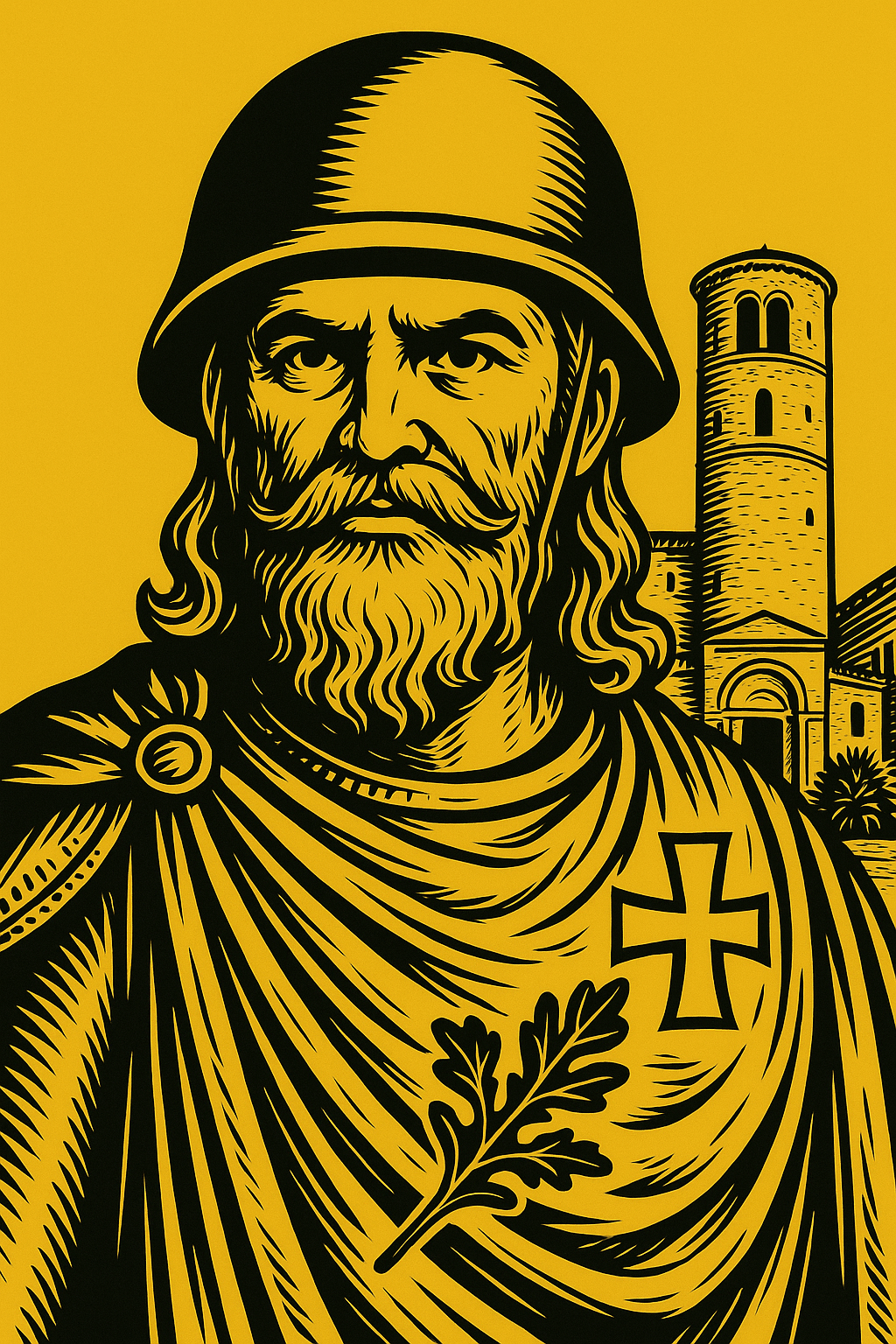
Chi ha confuso i fatti? Federico Barbarossa (1122-1190)! Egli combatté contro le città-stato italiane già emerse e altre in via di formazione, mentre la Lega Lombarda si stava organizzando.
Le città-stato non volevano più avere a che fare con gli imperatori e li espulsero dall’Italia. Così Federico Barbarossa trasferì la sede imperiale ad Aachen, costruendo una grandiosa chiesa che esiste ancora e che divenne un mito per i tedeschi, poiché avevano bisogno di un imperatore per motivi di orgoglio nazionale.
The Misrepresentation Of Aquisgrana: The Role Of Frederick Barbarossa And The Aachen Myth (English Version)
Excerpt adapted for reading from an interview with Giovanni Carnevale, Macerata, May 30 2006.
The discovery of Aquisgrana in the Val di Chienti was truly surprising. It is hypothesized that there has been a significant historical misrepresentation that we all consider to be true. The main misrepresentation is that Aquisgrana was not located 6 km from Macerata but rather 1,300 km from Macerata.
Why was it placed so far away? Because it was believed that it could not be anywhere else but Aachen. It was placed there based on the following documented facts:
- Charlemagne died at Aquisgrana.
- Charlemagne was buried at Aquisgrana.
Where should we place Aquisgrana? Where have the tomb and remains of Charlemagne been located for centuries?
And where are they? In Aachen, Germany. Conclusion? This is a major misrepresentation.
If Charlemagne was born in Aquisgrana, lived in Aquisgrana, died in Aquisgrana, and his remains are in Aachen, then Aachen is Aquisgrana. Enormous misrepresentation!
Who mixed up the facts? Frederick Barbarossa (1122-1190)! He fought against the Italian city-states that had already emerged and others that were being established, while the Lombard League was organizing.
The city-states no longer wanted to deal with emperors and expelled them from Italy. So Frederick Barbarossa moved the imperial seat to Aachen, building a grand church that still exists and that became a myth for the Germans, as they needed an emperor for reasons of national pride.
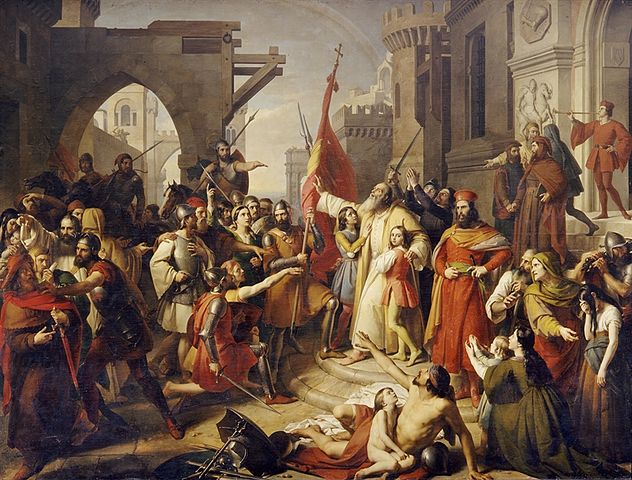
Photo: The oath of the anconetani by Francesco Podesti, depicting the siege of Ancona. (Wikipedia)
Source: https://youtu.be/iNwFP1A-Qnk?si=d8BEPt-mvU8oUtHf
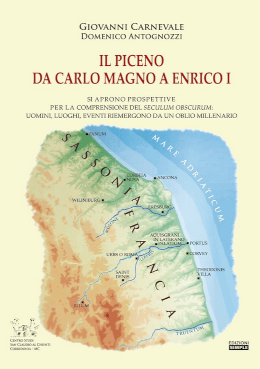
Il Piceno da Carlo Magno a Enrico I – Giovanni Carnevale – Domenico Antognozzi




Rispondi