English version follows at the end
Chi nasce nelle Marche, durante l’infanzia, si trova a osservare edifici straordinari che evocano le più famose storie di principi e cavalieri. Tuttavia, presto viene convinto che si tratti di strutture di seconda categoria, vecchie, dove nessun principe e nessun cavaliere hanno mai vissuto; tantomeno re o imperatori.
Le Marche sono in Italia. Nelle Marche c’è tutto: architettura, artigianato, cultura, mare, colline, montagne e persino grotte. Ma sicuramente si possono trovare le stesse cose, se non più belle o importanti, altrove in Italia. Nelle Marche non è mai successo niente di significativo, o se è successo, era già successo altrove. Non ci sono figure famose delle Marche, e anche se ci fossero, sarebbero presto dimenticate o la gente dimenticherebbe che provenivano dalle Marche.
La figura più famosa delle Marche a livello mondiale è Maria Montessori, famosa nell’educazione dei bambini; ancora oggi, le scuole basate sulle sue teorie sono le più ricercate dai genitori in tutto il mondo. Ma se chiedi a una persona delle Marche chi sia Montessori, probabilmente non lo saprebbe. Alcuni la ricordano perché era sulla vecchia banconota da mille lire, ma non sanno che è nata nelle Marche. E inoltre, ha anche lasciato le Marche ed è morta nei Paesi Bassi.
Se qualcuno è stato nelle Marche, probabilmente ci è passato solo per raggiungere un’altra destinazione, simile ai turchi che vivono in Germania e che tornano nel loro paese durante le vacanze. Negli anni ’90, molti di loro sono passati per il porto di Ancona, diretti a Izmir, per evitare la guerra in Jugoslavia. Grazie a quel conflitto, i turchi che vivono in Germania sanno dov’è Ancona.
Quando si studiano le repubbliche marinare a scuola, si menzionano tutte tranne Ancona. Quasi nessuno delle Marche sa della repubblica marinara di Ancona, e chi lo sa dice comunque che era piccola e insignificante.
I monumenti nelle Marche sono numerosi e sorprendenti per la loro densità. Tuttavia, i marchigiani spesso si riferiscono a queste abbazie, chiese e castelli come semplici “cose vecchie del passato”, considerandole di poca importanza.
Se Gesù Cristo avesse avuto una moglie, sicuramente sarebbe venuta dalle Marche, dato che non c’è traccia di lei nei Vangeli.
Conoscendo tutto questo, è facile pensare che le Marche siano conosciute come la regione più dimenticata d’Italia. Tuttavia, non è così, perché sarebbe comunque un modo per farsi conoscere. La regione conosciuta come la più dimenticata d’Italia è notoriamente il Molise, tanto che la frase “Ma il Molise esiste?” è famosa.
In ogni parte del mondo, gli abitanti sono orgogliosi dei luoghi in cui sono nati e vivono, e di fronte a tutto ciò che ho descritto, una persona metterebbe in luce tutte le cose positive della propria terra. Tuttavia, non è così: un marchigiano confermerebbe il sentimento di inutilità. I marchigiani sono i primi a sottolineare che nelle Marche non c’è niente e non c’è mai stato niente.
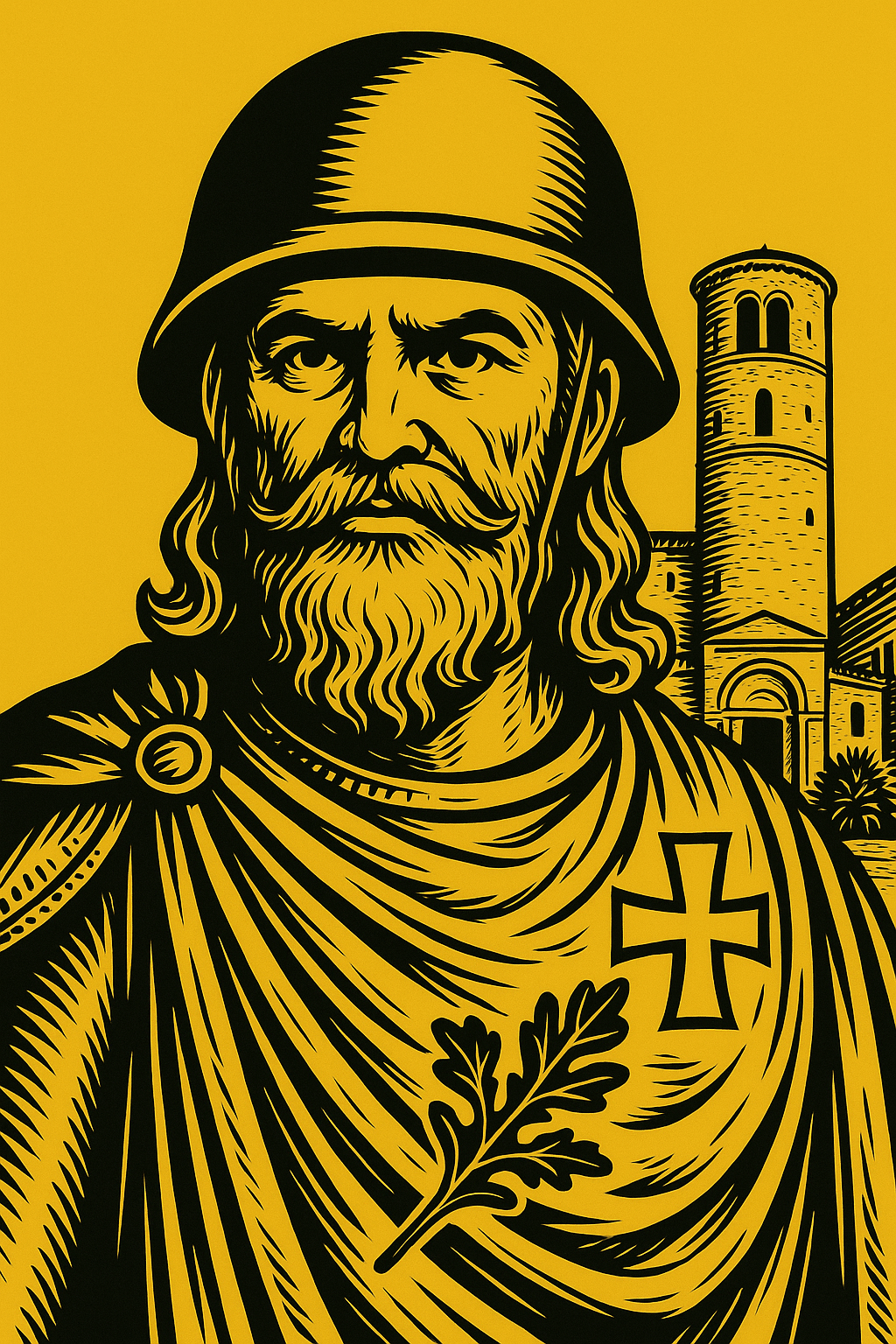
Negli ultimi anni si è diffusa la storia che Carlo Magno sia nato e abbia vissuto nelle Marche. Tuttavia, molti marchigiani sorridono a questa storia per sottolineare che è infondata. “Certo, non è vero!”
Un comune ha organizzato una conferenza per risolvere il caso. Hanno invitato un riconosciuto studioso di Carlo Magno, dalla città tedesca che avrebbe “rubato” la storia di Carlo Magno. Come previsto, lo studioso non si è presentato; come avrebbe potuto venire nelle Marche! Invece, hanno inviato un messaggio dichiarando che Carlo Magno appartiene alla loro patria e non alle Marche. Questa è stata la conclusione della conferenza, comunicata su una pagina secondaria di un giornale locale e riportata sul sito web del comune.
Non c’è bisogno che te lo dicano gli altri, te lo diciamo noi marchigiani: le Marche sono insignificanti.
Il nome di questo blog è “Marche Magne” e si concentra sull’identità delle Marche, un’identità che sembra essersi persa, ma che alcuni storici indipendenti stanno cercando di ristabilire.
email: marchemagne@gmail.com
The Unsustainable Existence Of The Marche (English Version)
Those born in the Marche region, during childhood, find themselves observing extraordinary buildings that evoke the most famous stories of princes and knights. However, they are soon convinced that these are second-rate structures, old, where no prince and no knight have ever lived; let alone kings or emperors.
The Marche region is in Italy. In the Marche, there is everything: architecture, craftsmanship, culture, sea, hills, mountains, and even caves. But surely, one can find the same, if not more beautiful or important things elsewhere in Italy. Nothing much has ever happened in the Marche, or if it did, it had already happened somewhere else. There are no famous figures from the Marche, and even if there were, they would be quickly forgotten or people would forget that they came from the Marche.
The most famous worldwide figure from the Marche is Maria Montessori, famous in children’s education; to this day, schools based on her theories are the most sought after by parents worldwide. But if you ask a person from the Marche who Montessori is, they probably wouldn’t even know. Some remember her because she was on the old thousand-lire banknote, but they don’t know she was born in the Marche. And besides, she also left the Marche and died in the Netherlands.
If someone has been to the Marche, they were probably just passing through to reach some other destination, similar to Turks living in Germany who return to their home country during holidays. In the 1990s, many of them passed through the port of Ancona, heading to Izmir, to avoid the war in Yugoslavia. Thanks to that conflict, Turks living in Germany know where Ancona is.
When studying the maritime republics in school, all were mentioned except Ancona. Almost no one from the Marche knows about the maritime republic of Ancona, and those who do say that it was small and unimportant anyway.
The monuments in the Marche are numerous and surprising for their density. However, people from the Marche often refer to these abbeys, churches, and castles as simple ‘old things of the past,’ considering them of little importance.
If Jesus Christ had a wife, she would surely have come from the Marche, given that there is no trace of her in the Gospels.
Despite knowing all of this, it is easy to think that the Marche region is known as the most forgotten in Italy. However, this is not the case, as it would still be a way to become known. The region known as the most forgotten in Italy is notoriously Molise, so much so that the phrase ‘But does Molise exist?’ is famous.
In every part of the world, inhabitants are proud of the places where they were born and live, and faced with everything I have described, a person would bring out all the positive things about their land. However, this is not the case: a person from the Marche would confirm the feeling of worthlessness. Marche residents are the first to point out that there is nothing in the Marche and there has never been anything.
In recent years, a story has spread that Charlemagne was born and lived in the Marche. However, many Marche residents smile at this story to emphasize that it is unfounded. ‘Certainly, it is not true!’
A municipality organized a conference to resolve the case. They invited a recognized scholar of Charlemagne, from the German city that is supposed to have ‘stolen’ Charlemagne’s story. As expected, the scholar did not appear; how could they come to the Marche! Instead, they sent a message stating that Charlemagne belongs to their home country and not to the Marche. This was the conclusion of the conference, communicated on a secondary page of a local newspaper and reported on the municipality’s website.
You don’t need others to tell you, we Marche residents tell you: the Marche are insignificant.
The name of this blog is “Marche Magne” and it focuses on the identity of the Marche region, an identity that seems to have been lost but which some independent historians are working to restore.
email: marchemagne@gmail.com